Who Has The Right Of Way On A Narrow Road?
On narrow roads you must be doubly cautious when attempting to pass more vulnerable road users such as cyclists and horse riders.

On narrow roads you must be doubly cautious when attempting to pass more vulnerable road users such as cyclists and horse riders.
There’s no avoiding it – if you plan to drive, you’ll need to be familiar with the 140-odd pages of the Highway Code. So, when you’re faced with the daunting task of trying to remember it, where do you start? Below are five simple tips to help get you going.
Learning when to do so is the part that you truly need to master. Roundabouts vary in sizes and styles. The average one will feature four exits, including the one you’re entering the roundabout from. These exits will either take you left, straight ahead, or right.
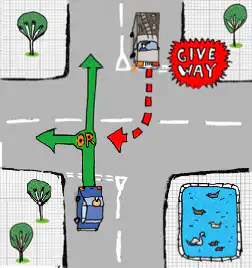
When emerging from a crossroads, oncoming traffic has right of way over traffic that’s turning right. Even if you don’t have priority, the other driver may want you to proceed before them, so try to watch carefully and work out what they are planning.
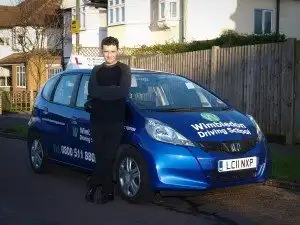
At Wimbledon Driving School, would-be instructors are trained in how to identify potential problems, how to coach their learner drivers, how to go back steps in the teaching process to correct faults which have been picked up, and how to give their learners value for money while keeping other road users safe.
The vast majority of people learning to drive are young and often have to fit in their lessons to a schedule, either due to a job or when in school or college. This schedule can often result in drivers fitting in lessons when possible, perhaps at the same time on a weekly basis.
The average new driver spends around £2000 on a first car, which if you want one in good nick, will get you a decent MK4.
When you’re learning to drive in Surbiton, your instructor will do all he or she can to take you out on the routes you’re likely to encounter on your driving test.
Stalling a car is one of the most common problems faced by learner drivers and it’s not difficult to see why. You may have mastered your
As a result, it often takes people with dyslexia longer to learn how to drive and more attempts to pass their practical test.