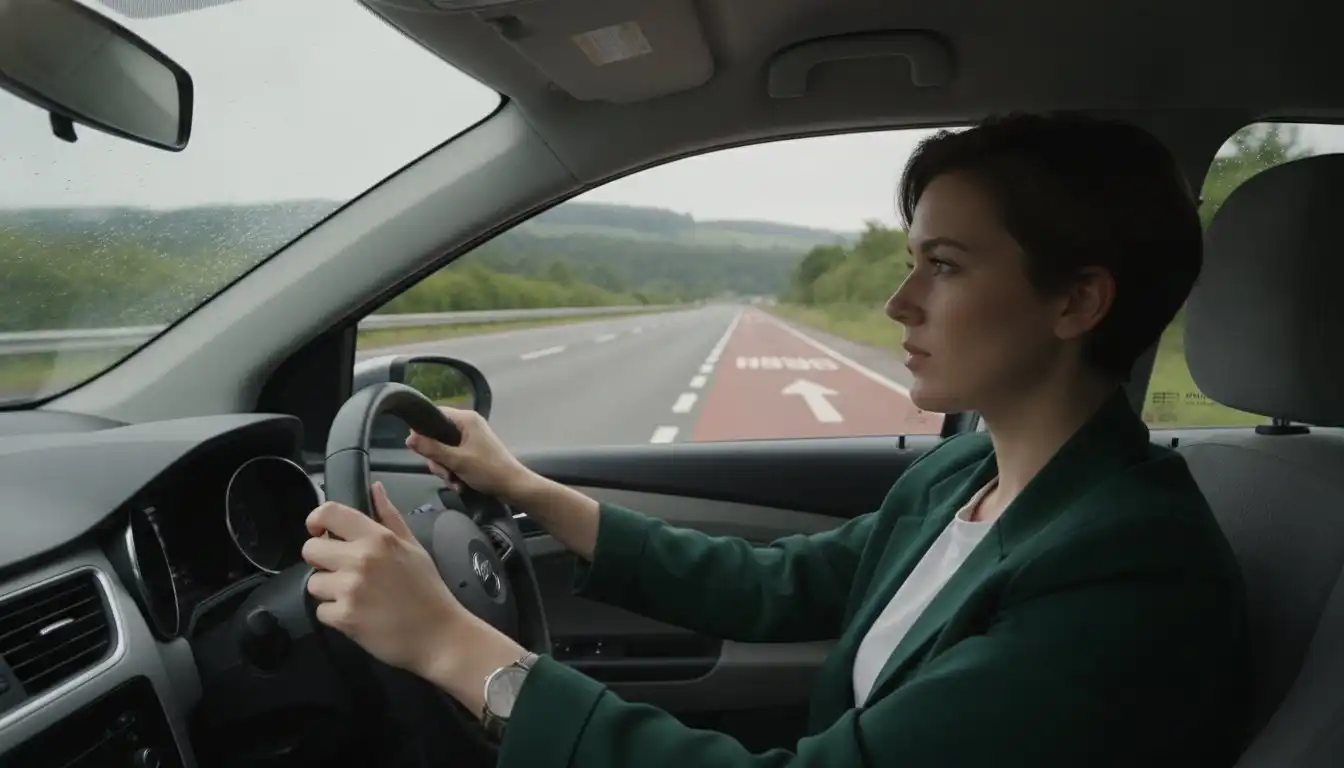
Would you hire a personal trainer or a solicitor without checking their professional credentials first? Probably not. Yet, many learners treat finding a tutor as a game of chance, risking their safety and their savings on the first name they find online. In a year where new 2026 regulations have tightened test booking rules and increased the pressure to be test-ready, choosing the right mentor is no longer a luxury; it’s a necessity for success. Knowing the right questions to ask a driving instructor transforms a stressful transaction into a strategic partnership, ensuring you don’t end up with an impatient teacher or a series of time-wasting lessons.
We understand that the prospect of handling busy London roundabouts or facing a strict examiner can be daunting. You deserve an instructor who offers more than just a car; you need a professional who provides a transformative journey toward your full licence. This guide provides you with a comprehensive toolkit to interview your potential mentor with confidence. You’ll discover how to identify RoSPA Gold-standard instruction, verify local expertise, and ensure you’re fully prepared to pass your practical test on the very first attempt.
Key Takeaways
- Learn why selecting a “mentor” rather than a standard instructor reduces the total number of lessons required and secures a more efficient path to your full licence.
- Master the most effective questions to ask a driving instructor to verify their Green Badge qualification and their experience with nervous learners in high-traffic London zones.
- Identify the professional “red flags” that signal a time-wasting approach, ensuring every penny you spend contributes directly to your test-day success.
- Discover how to use your first assessment lesson as a strategic mutual evaluation to judge punctuality, vehicle standards, and teaching style before committing.
- Understand how the 2026 regulatory changes increase the importance of choosing a premier provider with RoSPA Gold and IAM certifications for a first-time pass.
Finding the Perfect Match: Why Your Choice of Driving Instructor Matters in 2026
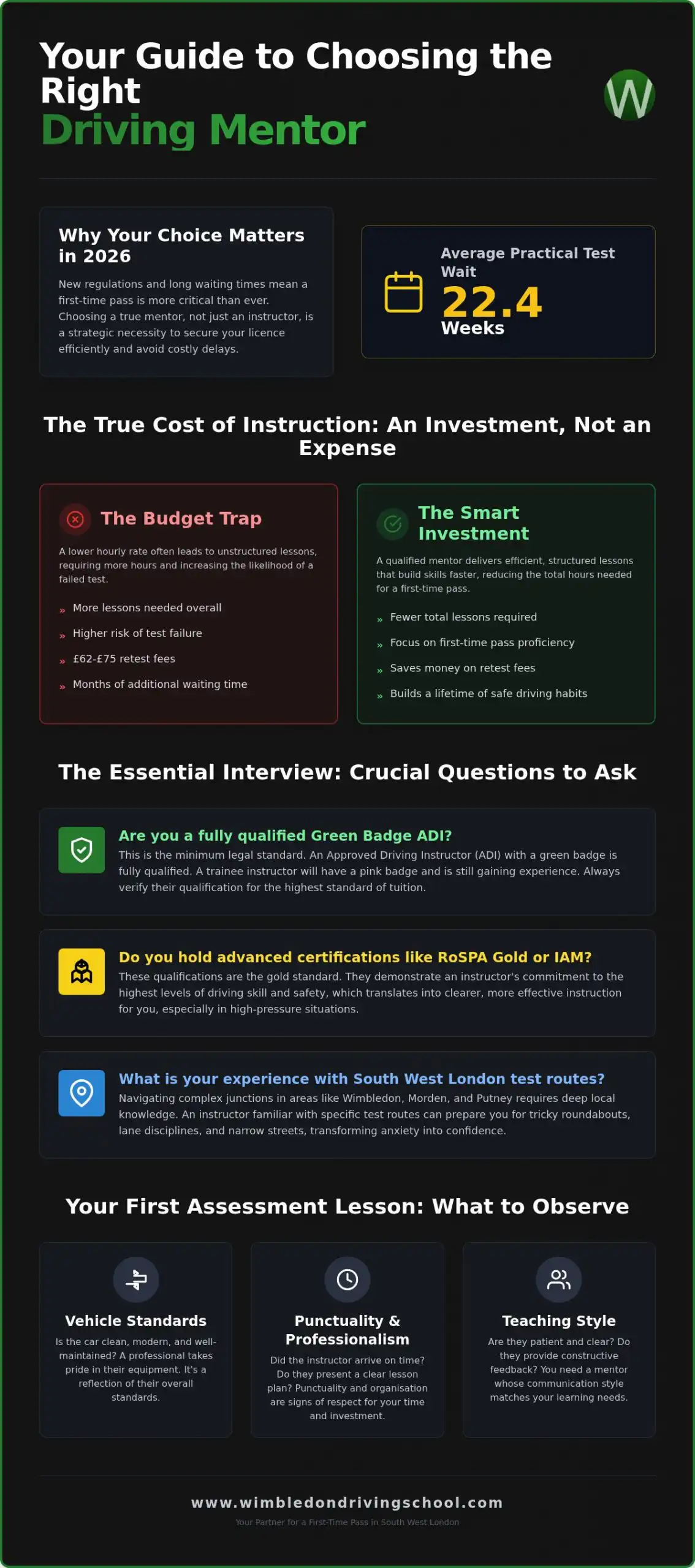
In 2026, the stakes for learner drivers have never been higher. With average waiting times for a practical test reaching 22.4 weeks as of April 2026, a single failure doesn’t just hurt your pride; it stalls your independence for nearly half a year. This high-pressure environment demands more than a standard instructor who simply ticks boxes. You need a mentor. A mentor doesn’t just prepare you for a 40-minute drive with an examiner. They equip you with the cognitive skills to handle real-world hazards. Before you even start the engine, the specific questions to ask a driving instructor will determine whether you’re hiring a basic tutor or a professional mentor who can streamline your journey.
The Financial Reality of Poor Instruction
It’s a common trap to choose a school based solely on the lowest hourly rate. However, the cheapest option often proves the most expensive in the long run. Poor instruction leads to more required hours and, eventually, the £62 to £75 cost of a retest. The DVSA currently recommends approximately 45 hours of professional instruction combined with 22 hours of private practice. A highly qualified instructor, such as one with RoSPA Gold or IAM certification, can often reduce this total by delivering more efficient, structured lessons. Investing in quality from the start is the most effective way to manage driving lesson costs. By focusing on high-level proficiency, you ensure that every minute in the car moves you closer to a first-time pass.
Safety and Confidence in South West London Traffic
Modern Driver’s education must go beyond basic car control. Navigating the complex junctions of Wimbledon, Putney, and Morden requires a deep level of local expertise. A premier instructor understands the specific nuances of South West London and Surrey test routes, from the tricky lane disciplines at notorious roundabouts to the narrow residential streets of Middlesex. For nervous learners, this local knowledge provides a vital safety net. It transforms fear into competence. When you know exactly what to expect at a difficult junction, your anxiety fades, allowing your skills to shine. This isn’t just about passing a test; it’s about building a foundation for a lifetime of safe, confident driving amongst some of the UK’s busiest traffic. Knowing the right questions to ask a driving instructor regarding their experience in these specific zones is your first step toward that goal.
The Essential Interview: Crucial Questions to Ask a Potential Driving Instructor
Treating your initial enquiry as a professional interview is the most effective way to safeguard your education. You aren’t just looking for someone with a car; you’re looking for a qualified mentor who can navigate the complexities of modern road safety. When considering your options, the specific questions to ask a driving instructor should focus on their legal status and their commitment to advanced safety standards. This proactive approach ensures you invest your time and money with a premier provider rather than a subpar service.
Probing for Professionalism and Qualifications
Your first priority is to verify that your instructor is a fully qualified Green Badge Approved Driving Instructor (ADI). A trainee instructor, identified by a Pink Badge, is still gaining experience and may not offer the same level of instructional depth. Beyond the legal minimum, ask if they hold advanced certifications such as RoSPA Gold or IAM. These accolades indicate that the instructor has undergone rigorous external testing to maintain the highest possible driving standards. An instructor’s advanced driving grade directly correlates to their ability to anticipate hazards and deliver clearer, more precise instructions during high-pressure moments. This level of proficiency is particularly vital for nervous pupils navigating the high-traffic zones of South West London, where split-second decisions are common.
Logistics and Teaching Style Questions
Success on the road requires a structured approach to the DVSA syllabus. Ask potential instructors how they track and organise your progress. Premier schools often use digital apps or reflective logs to provide a clear visual map of your journey toward the practical test. Given the 2026 regulations that limit test booking changes to twice per person, you must also ask about their mock test policy. A formal mock test ensures you are genuinely ready before you use one of your limited booking slots. Additionally, confirm the practicalities that keep your momentum going:
- Does the tuition vehicle feature dual controls and suit your choice of manual or automatic transmission?
- Can the school accommodate your schedule with seven-day availability?
- What specific methods do they use to support nervous drivers during their first few lessons?
Finding an instructor who balances professional authority with encouraging warmth is the key to a stress-free learning experience. If you’re ready to experience this high standard of mentorship firsthand, you can book your initial assessment lesson to see how our RoSPA Gold-certified team operates.
Red Flags and Green Lights: How to Evaluate an Instructor’s Professionalism
Distinguishing a “Goal-Setter” from a “Time-Waster” is essential for your progress. A professional mentor arrives with a clear, structured plan for every session. They don’t just “drive around” aimlessly; they target specific weaknesses with precision. If you find yourself repeating the same basic manoeuvres without a clear objective, you’re likely paying for a time-waster. Your initial questions to ask a driving instructor should include how they intend to structure your curriculum to ensure you’re test-ready within the DVSA-recommended 45 hours of instruction. A premier school focuses on tangible outcomes, moving you through the syllabus with efficiency and confidence.
The Communication Test
Professionalism is most visible when things go wrong. A “Green Light” instructor remains calm whilst you’re behind the wheel, providing instructions that anticipate hazards before they occur. How an instructor reacts to your errors defines your learning curve. A professional mentor uses mistakes as teachable moments rather than sources of frustration. They offer constructive feedback at the end of every lesson, helping you understand the logic behind safe driving. Conversely, a major “Red Flag” is an instructor who uses their mobile phone or runs personal errands during your paid lesson. This lack of focus is not just disrespectful; it’s a safety risk. You can find similar tips from the DMV on selecting a driving school regarding the importance of instructor attentiveness and vehicle safety standards.
Local Knowledge and Test Centre Expertise
Mastery of the road requires more than general skill; it requires local intelligence. A premier instructor knows the specific quirks of the Morden, Tolworth, and Isleworth test centres. They’ll guide you through the most difficult roundabouts in Surrey and the complex one-way systems that often trip up unprepared learners. This local reputation amongst South West London students serves as a vital green light. It proves they aren’t just teaching you to drive; they’re teaching you to navigate your specific environment with skill. For more detailed insights into what to expect on your big day, visit our Learning Centre for local test route tips and expert guidance. This tailored approach ensures you aren’t just prepared for a test, but for a lifetime of safe driving on these specific roads.
Beyond the Chat: What to Observe During Your First Assessment Lesson
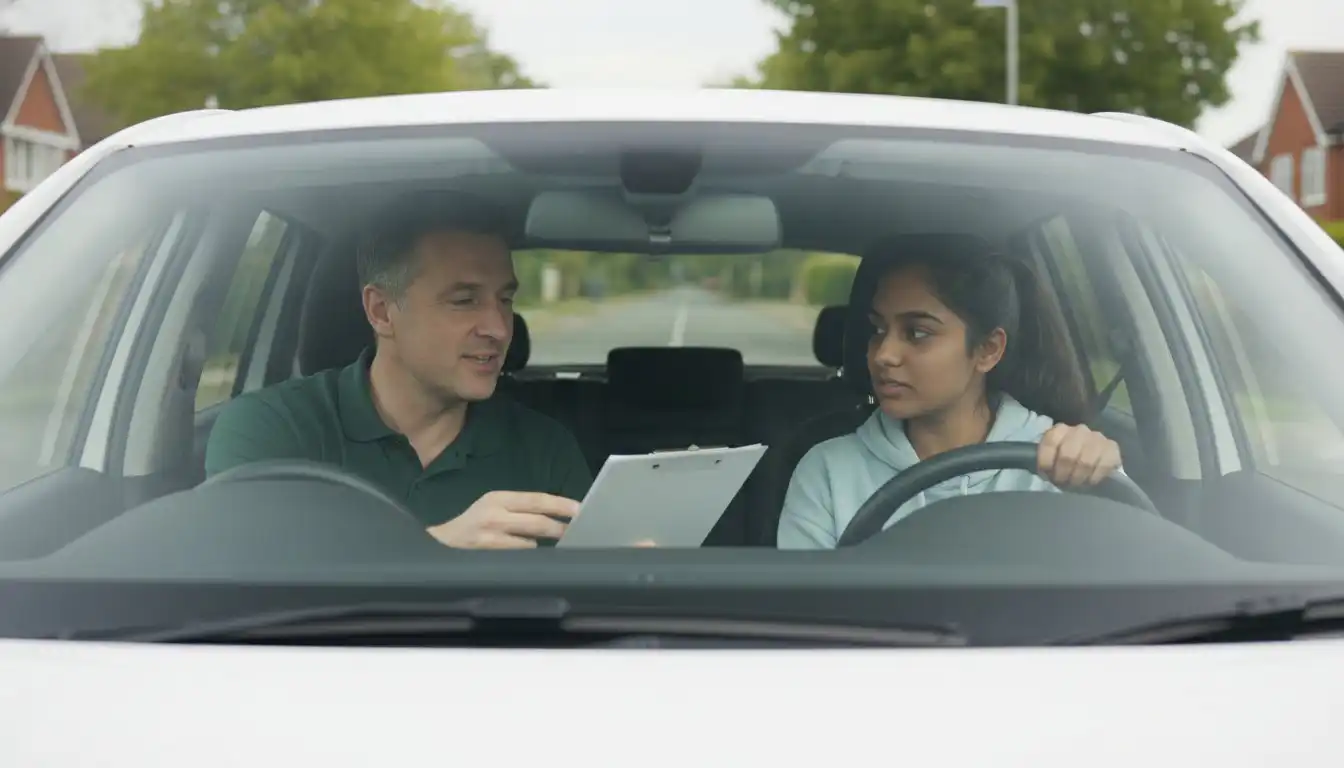
The initial conversation is merely the first step. The true test of a professional mentor occurs during the first hour behind the wheel. Treat this assessment lesson as a mutual evaluation rather than a simple tutorial. It’s the moment where the theoretical questions to ask a driving instructor meet practical reality. You are looking for a sophisticated blend of professional authority and encouraging warmth. A premier instructor won’t just tell you how to drive; they’ll demonstrate a level of composure and organisation that makes you feel safe from the moment you close the door.
The Assessment Lesson Checklist
Professionalism begins before the engine starts. A qualified mentor must prioritise safety and legal compliance. Use this checklist to evaluate their standard of service during your first session:
- Legal compliance: Did they check your provisional licence and perform a basic eyesight test before allowing you to drive?
- Structured objectives: Did they provide a clear, tangible goal for the lesson, such as mastering clutch control or navigating T-junctions?
- The “Stretch” factor: Do you feel appropriately challenged without feeling overwhelmed by the complexity of the task?
- Punctuality and Presentation: Did they arrive on time in a clean, well-maintained tuition vehicle?
The “patience factor” is particularly vital when navigating complex London junctions. Observe how your instructor reacts when you encounter aggressive traffic or make a mistake. A “Confident Mentor” remains calm, utilising their professional knowledge to guide you through the situation whilst adapting their language to suit your specific learning style. They should translate technical requirements into punchy, benefit-driven instructions that build your skill set rather than your anxiety.
Evaluating the Car and Equipment
The tuition vehicle is your primary learning tool. It should be modern, easy to manoeuvre, and perfectly suited for a beginner. Pay close attention to how the instructor uses the dual controls. These should serve as a discreet safety net for emergencies, not a crutch that the instructor uses to control the car for you. If you find that managing manual gears in heavy South West London traffic is becoming a barrier to your progress, it may be worth considering Automatic Driving Lessons to simplify your learning journey.
Ultimately, your first lesson should leave you feeling that a full licence is a reachable milestone. If you are ready to experience the highest industry standard of instruction, book your assessment lesson with our RoSPA Gold-certified team today and begin your transformative journey toward driving success.
Securing Your Success: How Wimbledon Driving School Meets the Highest Standards
Navigating the road to a full licence shouldn’t feel like a gamble. We have established our reputation as a market leader by ensuring our answers to the essential questions to ask a driving instructor exceed industry expectations. Whilst many schools focus on the bare minimum, we prioritise a sophisticated level of instruction that transforms the learning experience. Our team consists of highly qualified professionals, many of whom hold prestigious RoSPA Gold and IAM certifications. This commitment to excellence ensures you are learning from the very best in the industry, making us the premier choice for those who value safety and proficiency above all else.
We specialise in supporting nervous and first-time drivers through a blend of professional authority and encouraging warmth. Our instructors understand that the busy junctions of South West London require a calm, disciplined approach. By providing a seven-day service, we ensure that your learning journey fits seamlessly into your modern lifestyle. Whether you prefer manual or automatic lessons, our goal remains the same: to produce confident, safe drivers who are ready to pass their test on the first attempt. Our competitive pricing reflects the high standard of our mentorship, ensuring you receive the most effective education for your investment.
The Wimbledon Driving School Advantage
Our expansive network covers South West London, Surrey, and Middlesex, providing you with access to local expertise that is second to none. We maintain one of the highest pass rates in the country by focusing on rigorous requirements and high user satisfaction. For those who need to secure their licence quickly to meet personal or professional milestones, we recommend our Fast-Track Intensive Course. This tailored programme condenses months of learning into a focused period, ensuring you reach test-readiness with momentum and skill.
Your Journey Starts Today
Choosing an established, local driving school provides the peace of mind you need to focus on your progress. We treat your education as a transformative journey toward a significant personal milestone. Booking your first assessment lesson is a straightforward process designed to respect your time and get you behind the wheel without delay. This initial session allows you to experience our high-level proficiency firsthand and see why we are the trusted choice for thousands of successful drivers. Join the ranks of our accomplished students and take the first definitive step toward your independence. Your road to success starts with a single, confident command of the wheel.
Take Control of Your Driving Future
Securing your independence on the road is a significant milestone that requires more than just a car and a tutor. By identifying the right questions to ask a driving instructor, you’ve established a foundation for safety and success. You now understand that premier instruction from RoSPA Gold and IAM certified mentors far outweighs the false economy of the cheapest hourly rate. This strategic approach ensures you’re prepared for the 2026 driving standards and ready to navigate complex London junctions with absolute confidence.
At Wimbledon Driving School, we specialise in transforming nervous learners into highly skilled drivers through our high-level proficiency and encouraging warmth. With high pass rates in South West London and manual or automatic lessons available seven days a week, we provide the most effective choice for your education. Don’t settle for standard instruction when you can have a mentor who is invested in your first-time success. Book your first lesson with Wimbledon Driving School today and begin your transformative journey toward your full licence. We look forward to seeing you behind the wheel.
Frequently Asked Questions
How many driving lessons does the average person need to pass in 2026?
The DVSA recommends approximately 45 hours of professional instruction combined with 22 hours of private practice before attempting the practical test. However, this figure varies based on individual aptitude and the quality of your tuition. Choosing highly qualified mentors can often streamline this process. It’s vital to ensure you’re fully prepared before booking; 2026 regulations now limit test appointment changes to a maximum of two times per learner.
Can I change my driving instructor if we don’t get along?
You absolutely can and should change instructors if the professional relationship isn’t working. Learning to drive is a significant investment; you need a mentor who provides encouraging warmth rather than causing unnecessary stress. If you feel your current tutor is impatient or lacks a structured plan, it’s better to switch early. Finding someone who matches your learning style is one of the most important outcomes when considering which questions to ask a driving instructor.
What should I do if my driving instructor keeps cancelling lessons?
Frequent cancellations are a major red flag indicating a lack of professionalism. Your progress depends on consistency and momentum; erratic scheduling stalls your development and wastes your time. If your instructor cancels without a valid reason or doesn’t offer a prompt alternative, it’s time to look for a more reliable, established school. Premier providers offer seven-day availability and a larger network of instructors to ensure your training stays on track without interruption.
Is it better to have one long lesson or two shorter lessons per week?
Most learners find that two-hour lessons once or twice a week offer the best balance for rapid progress. Longer sessions allow more time to navigate complex London junctions and practice specific manoeuvres without feeling rushed. Shorter one-hour lessons often end just as you’re settling into the car. Consistent, longer sessions help build the muscle memory required for safe driving, making them a more efficient use of your instructional budget and time.
Do I need to pass my theory test before I start driving lessons?
No, you don’t need to pass your theory test before starting practical lessons, but we highly recommend beginning both simultaneously. Applying the theoretical rules of the road whilst you’re behind the wheel reinforces your learning. However, you must pass the theory test before you can book your practical exam. Given that test waiting times reached 22.4 weeks in April 2026, passing your theory early allows you to secure a practical slot much sooner.
How do I know if a driving instructor is fully qualified or a trainee?
You can identify a fully qualified Approved Driving Instructor (ADI) by the green octagonal badge displayed in their windscreen. Trainee instructors must display a pink triangular badge. Whilst trainees are legally allowed to charge for lessons, a Green Badge holder has passed all three parts of the DVSA’s rigorous qualifying process. Always verify this credential as part of your initial questions to ask a driving instructor to ensure you receive the highest standard of mentorship.
What is the Pass Plus course and should I ask my instructor about it?
Pass Plus is an additional training course taken after you’ve passed your practical test to enhance your skills in challenging conditions. It covers six modules, including motorway driving, night driving, and navigating rural roads. Ask your instructor about this if you want to build extra confidence and potentially reduce your insurance premiums. It’s a fantastic way to transition from a newly qualified driver to a truly proficient, independent driver on Britain’s busiest roads.
Should I learn in a manual or an automatic car in London?
The choice depends on your personal preference and long-term goals. Automatic cars are increasingly popular in London due to heavy stop-start traffic and the rise of electric vehicles; in fact, over 25% of test passes are expected to be in automatics by late 2026. Manual lessons provide a licence that covers both transmissions, but automatic lessons often allow pupils to reach test standard faster. Consider your comfort level with gear changes before making your final decision.