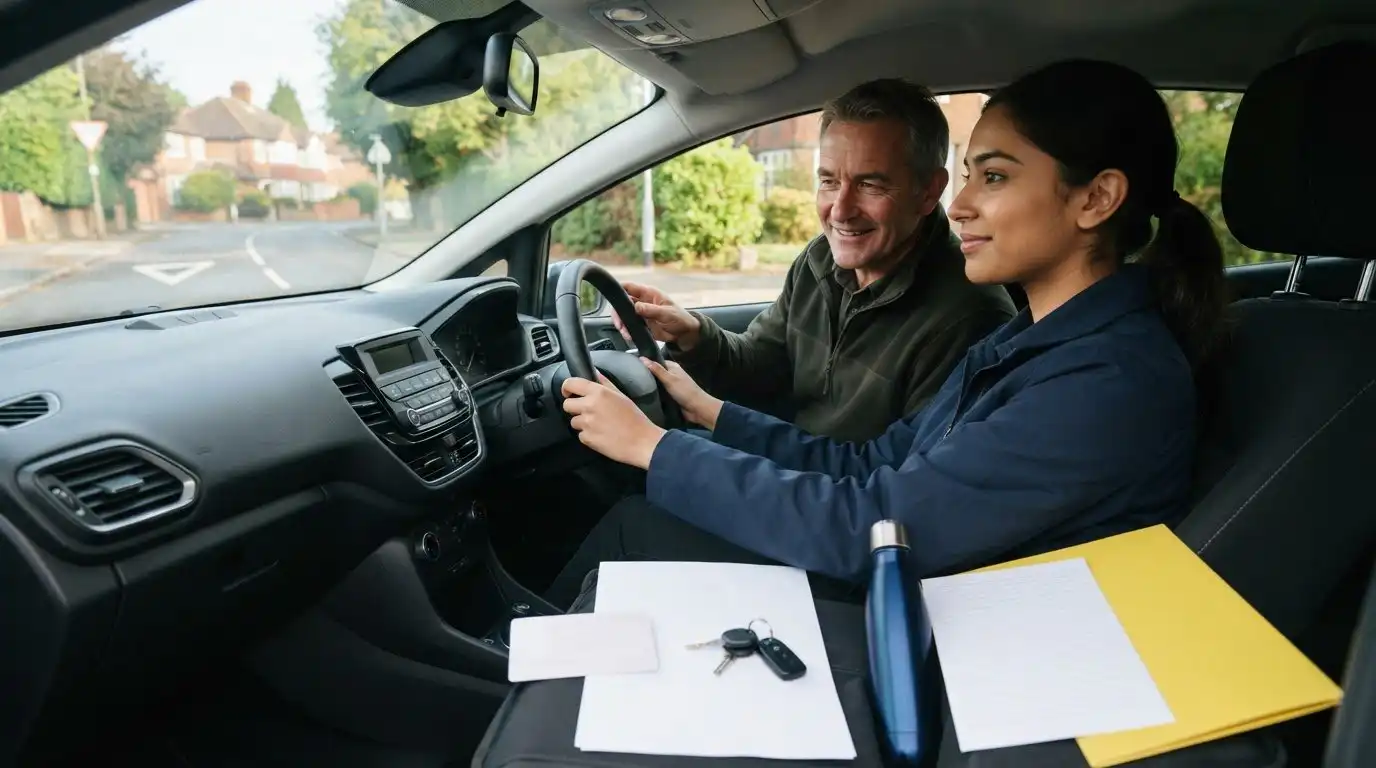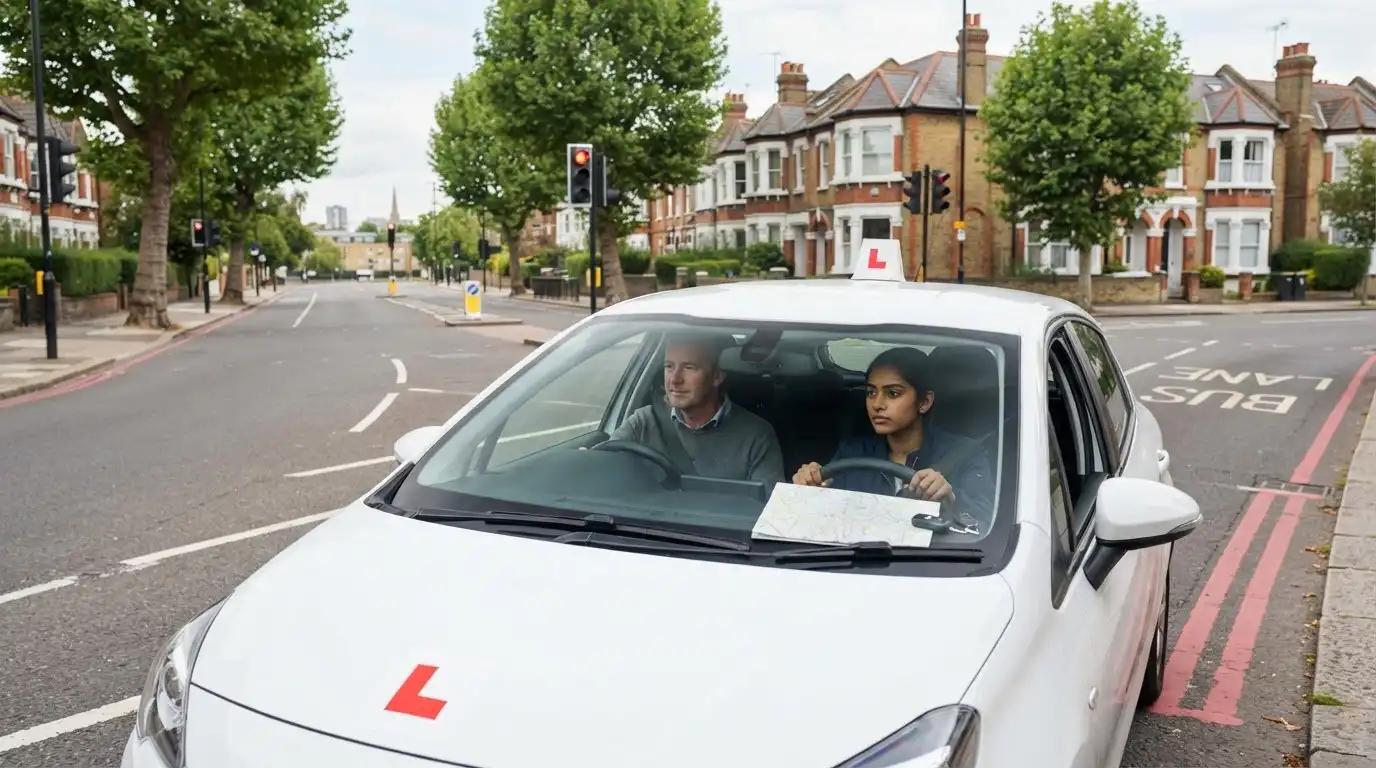
A driving lesson in London doesn’t automatically mean an extra Congestion Charge bill for you. When avoiding the Congestion Charge while learning to drive, the key point is that the lesson car is either exempt or the instructor avoids the charging area. For other journeys, Transport for London says the charge is £18 per day when paid in advance or on the day of travel.
It’s understandable to worry that learning to drive in London could bring an unexpected cost or complicate your lessons. Knowing how the Congestion Charge works can help you plan journeys with confidence.
This guide explains when the charge applies, what may happen during a driving lesson, and how to understand the payment rules and possible penalties. You’ll also learn how to approach lessons in and around the zone without letting the charge distract from building safe, confident driving skills.
Key Takeaways
- The Congestion Charge operates from 7:00 am to 18:00 pm Monday to Friday; its hours differ at weekends and on bank holidays.
- During a driving lesson, the instructor’s car is either exempt from the charge or the instructor avoids the charging area.
- Plan your route and timing before driving into the zone, and understand the payment deadline to avoid a possible penalty.
- Discounts and exemptions may apply to some drivers and vehicles, so learn which categories could affect your journey.
- Understanding how traffic and charging hours affect route choices can help you focus on developing safe, confident driving skills.
What is the London Congestion Charge?
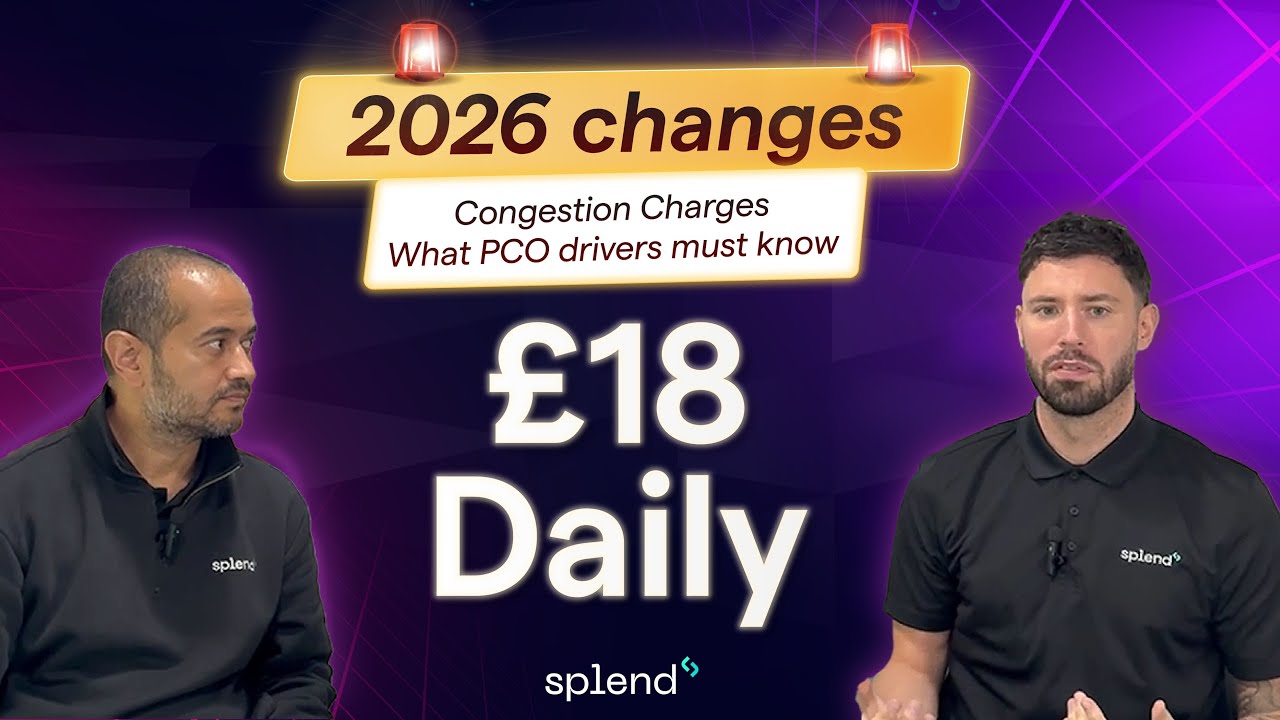
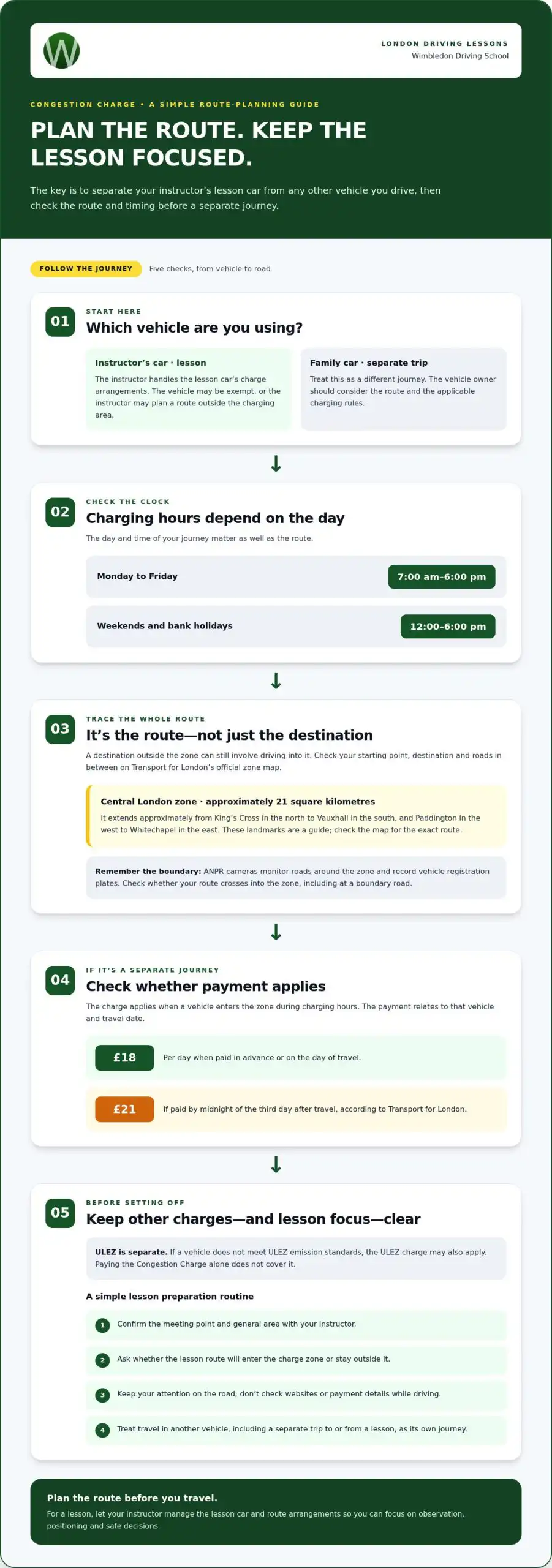
The London Congestion Charge is a fee for driving within a defined central London zone during charging hours. Transport for London sets the charge at £18 per day when paid in advance or on the day of travel. Whether a journey enters the charge zone depends on its route, not simply its destination.
For a visual overview of the charge and how it operates, watch this video:
The charge zone covers central London, extending approximately from King’s Cross in the north to Vauxhall in the south, and Paddington in the west to Whitechapel in the east. Its area is approximately 21 square kilometres. These landmarks help orient you, but they cannot show whether an individual street or turn lies inside the boundary.
Transport for London says the charge operates from 7:00 am to 18:00 pm Monday to Friday. It also operates from 12:00 to 18:00 on Saturdays, Sundays and bank holidays. The day and time of a journey therefore matter as much as its route. A road inside the zone can have different charging implications depending on when you travel.
Use Transport for London’s official zone map to check your entire route before setting off. Look at the start, destination and roads in between, especially if your sat nav suggests a route through central London. A destination just outside the zone can still involve entering it if your route crosses central streets. Compare an alternative route that stays beyond the boundary.
Automatic Number Plate Recognition cameras monitor roads around the London Congestion Charge zone. They record vehicle registration plates, so entering via a boundary road can matter even if you don’t stop inside the zone. Plan for the boundary itself, not just signs near your destination.
The Congestion Charge and the Ultra Low Emission Zone are separate London charges. If your vehicle doesn’t meet the ULEZ emission standards, you must also pay the ULEZ charge. Paying the Congestion Charge alone doesn’t cover that separate requirement. Before driving, consider both the route and whether the vehicle meets the relevant emission standards.
For learners, reading the map builds useful awareness of central London’s roads and charging boundaries. Review the route before travel, then pay attention to road signs and your sat nav without making sudden manoeuvres. Planning should support safe driving, not distract you from traffic. If you’re also estimating the time needed to build your skills, this guide to how many lessons it takes to learn to drive explains the factors that shape learning progress.
Congestion charges during driving lessons
For a London driving lesson, the lesson car’s Congestion Charge arrangements are handled by the instructor. The instructor may use a vehicle that is exempt or plan a route outside the charging area. You can therefore focus on learning, rather than managing a separate payment while driving.
The key difference is which vehicle you’re driving. During a lesson, you use the instructor’s car, so you don’t personally pay the charge for that lesson journey. Driving a family car into the zone later is a separate trip. Responsibility for any charge can depend on the vehicle and its arrangements.
Transport for London’s information can help you understand the zone, payment arrangements and vehicle rules for other journeys. Before a lesson, discuss the route with your instructor. You’ll know whether the session will avoid the charging area or use a vehicle treated as exempt.
Central London can still be useful for learning. Depending on your ability and lesson goals, a route could include busy junctions, lane choices, pedestrian crossings or parking. Avoiding the charge zone doesn’t mean avoiding every challenging road. Your instructor can choose roads suited to your progress, keeping safe decisions at the centre of the lesson.
If you’re focused on avoiding the Congestion Charge while learning to drive, keep the driving task separate from payment arrangements. Your job is to observe the road, follow instructions and make safe decisions. The instructor manages the lesson car and route, leaving you to concentrate on steering, positioning, observation and planning ahead.
Before a lesson near central London, use a simple preparation routine:
- Confirm the lesson meeting point and intended general area with your instructor.
- Ask whether the route will enter the charge zone or stay outside it.
- Keep your attention on the road rather than trying to check websites or payment information while driving.
- If you’re travelling separately in another vehicle, treat that journey as distinct from the lesson.
These steps are especially useful when a lesson starts near the zone boundary. You might meet your instructor outside central London and practise on suitable local roads, or have a session on central streets with the route planned in advance. In either case, the instructor’s arrangements for the lesson car determine whether it enters the charging area.
Don’t assume the lesson arrangements apply to every car you use. If you practise in a family vehicle, its owner should consider the route and applicable charging rules. The same applies to a separate journey to or from a lesson. Keeping these trips distinct helps clarify who is responsible for any charge.
Before setting off, agree the lesson’s general route and focus with your instructor. This lets you concentrate on the road as situations develop and build confidence through attentive, safe practice.
How congestion charges work
For a London journey, the Congestion Charge applies when a vehicle enters the zone during charging hours. Payment relates to the vehicle and travel date, covering that vehicle’s charge for the relevant day. Treat a trip in a family car separately from a lesson in an instructor’s car.
According to Transport for London, in London, the Congestion Charge is £21 if paid by midnight of the third day after travel. That deadline gives drivers time to arrange payment after a journey, but it’s still important to identify the correct travel date. Keep the date and vehicle details together when managing several London trips.
Payment can be made in advance or on the day of travel. TfL Auto Pay is another option: registration is free and charges are paid automatically. This can reduce the risk of forgetting to pay, but you still need to understand which vehicle and journeys are covered by your account.
Vehicle discounts depend on eligibility and payment arrangements. According to Transport for London, battery-powered electric cars registered for Auto Pay receive a 25% London Congestion Charge discount, making the daily charge £13.50 when paid in advance. The discount applies to that vehicle category and registration method, so don’t assume every electric vehicle receives it automatically.
Separate discounts and exemptions may also apply to particular people or vehicles. For example, Blue Badge holders can apply for a 100% discount, while residents living within the zone can apply for a discount of up to 90%. These are applications, not a reason to assume a discount has already been applied. Check the relevant TfL rules before relying on one.
When sorting out a journey, use this sequence:
- Identify the vehicle you’ll use and whether it has an eligible discount or exemption.
- Confirm that your route enters the Congestion Charge zone during charging hours.
- Choose advance payment, payment on the travel day, or Auto Pay where applicable.
- Record the travel date and make sure payment is completed within the relevant deadline.
This matters when plans change. If you intended to stay outside central London but take a different route into the zone, consider the actual journey you make. Sat nav directions can change along the way, so review your route safely before setting off rather than making payment decisions behind the wheel.
Keep Congestion Charge payments separate from other London road charges. The ULEZ charge relates to a vehicle’s emission standards, while the Congestion Charge applies to entering its zone during charging hours. One payment doesn’t replace the other. Before travelling, check both your route and the vehicle’s eligibility.
These payment steps are useful for personal journeys outside lessons, such as driving a family car into central London. During a lesson, focus on road safety and follow your instructor’s route guidance. Understanding the rules beforehand helps you plan without confusing lesson arrangements with charges for your own vehicle.
Traffic congestion
Congestion in London affects more than journey time. Queues can make it harder to judge gaps, choose lanes and anticipate junctions. Congestion charging is intended to reduce traffic and encourage public transport use, so route choices matter as well as payment arrangements.
For learners, slow traffic offers useful practice in observation and vehicle control. A queue approaching a junction, for example, may mean holding position, watching for cyclists and leaving space ahead. Respond safely to the road rather than rushing to save time.
Plan each journey around its purpose. If you need to reach central London for an appointment, compare driving with public transport before setting off. Public transport is often exempt from the charge, and taking a bus or train can also avoid the need to find parking near your destination.
Driving may still suit a particular trip, such as carrying bulky items or travelling somewhere with limited public transport connections. Choose a route that fits your destination and driving experience. A sat nav may suggest a quicker route through central London, but the shortest way can involve more turns, queues and decisions.
Plan your route before you start driving. Identify major turns, busy junctions and suitable places to pause safely. If traffic changes your route, follow road signs and make decisions calmly. Don’t change lanes suddenly just because a navigation app recalculates your arrival time.
London traffic also calls for careful speed awareness. A significant portion of Transport for London roads and most borough-managed roads have 20-mile-per-hour limits. Check the signs on the road you’re using, since the limit and surrounding conditions shape how you should approach a queue, crossing or junction.
Traffic conditions can shape the skills you practise during a lesson. One session might cover a busy approach to a junction; another could start on calmer roads before you tackle denser traffic. Discuss the skills you want to build, such as leaving space in slow-moving traffic or choosing a lane early. Gradual progression helps you use familiar skills in more demanding conditions.
When traffic is heavy, don’t treat every delay as a problem to solve with a detour. A diversion can mean unfamiliar turns or roads you hadn’t planned to use. If driving independently, stop somewhere safe before checking directions. During a lesson, follow your instructor’s guidance and keep your attention on the road.
Taking public transport for a central London trip can avoid adding another car to congested roads. If you need to drive, compare routes and check whether your journey enters the charging zone. Planning ahead helps you prepare for both the journey and your learning goals, without letting traffic pressure lead to unsafe choices.
With practice, each traffic situation can strengthen your observation, patience and decision-making behind the wheel.
Wimbledon Driving School: Manual Driving Lessons
Wimbledon Driving School helps learners across South West London, South East London, Surrey and Middlesex build skills for London roads and plan journeys with confidence. Manual Driving Lessons cover clutch control and gear changes alongside observation, positioning and decision-making in traffic. Automatic Driving Lessons are another option, using a modern fleet of automatic vehicles.
For more concentrated progress, choose Intensive Driving Courses. Pass Plus Courses can help you continue developing your driving after passing your test. Discuss the roads and skills you want to practise, including route planning around central London’s charging zone.
If you’d like guidance on choosing a suitable lesson format, contact Wimbledon Driving School.
Build confidence for the journeys ahead
Learning to drive also prepares you for decisions you’ll make independently: choosing a route, staying composed when plans change and keeping your attention on the road. Avoiding the Congestion Charge while learning to drive is one way to practise those habits early, making charge-zone planning part of confident journey preparation.
Wimbledon Driving School offers Manual Driving Lessons and Automatic Driving Lessons, as well as Intensive Driving Courses for learners who want a more concentrated schedule. The right format depends on your experience, confidence and learning goals. Focus on building sound judgement, not simply reaching your destination quickly.
Each well-planned lesson can bring you closer to handling London journeys independently. When you’re ready, take the next step and build your skills with Wimbledon Driving School.
Keep progressing at a pace that helps you feel prepared for the road ahead.
Frequently Asked Questions
Do learner drivers have to pay the London Congestion Charge?
No. During a lesson, the instructor handles the Congestion Charge arrangements for the lesson car, either by using an exempt vehicle or planning a route outside the charging area. Practising in another vehicle, such as a family car, is a separate journey. The vehicle owner is responsible for any charge due, so agree who will manage payment before that trip.
Which areas and roads are inside the London Congestion Charge zone?
The zone covers central London, roughly between King’s Cross, Vauxhall, Paddington and Whitechapel. It includes roads within that central area, but a postcode or destination address alone won’t show whether your route enters the zone. A journey to a building near the edge, for example, could cross the boundary if the route cuts through central streets. Check the map for the roads you’ll actually use.
What are the London Congestion Charge hours and days?
Transport for London says charging operates from 7:00 am to 18:00 pm Monday to Friday, and from 12:00 to 18:00 on Saturdays, Sundays and bank holidays. A weekday morning journey and a Sunday morning journey can therefore have different charging implications, even on the same road. Check the applicable hours against your travel day before setting off, particularly if your plans span a weekend or bank holiday.
How much is the Congestion Charge, and are there learner-driver discounts or exemptions?
Transport for London sets the charge at £18 per day when paid in advance or on the day of travel. Learner status alone isn’t a discount category. A learner’s lesson car is handled through the instructor’s vehicle exemption or route planning, while other discounts depend on qualifying circumstances or vehicle type. For instance, an eligible Blue Badge holder can apply for a discount. Check eligibility before relying on a reduction.
Can learner drivers avoid the charge by taking lessons outside the Congestion Charge zone?
Yes. Your instructor can plan a lesson on roads outside the zone, matching practice to your needs without entering central London. You could work on junctions, positioning or parking in a suitable area beyond the boundary, building confidence before tackling busier central routes. The route should still reflect your learning goals and the skills you need to develop.
How can drivers check whether a route enters the Congestion Charge zone?
Use Transport for London’s official zone map and trace your whole route, not just the destination. Check roads near the boundary, where a small change can take you into the zone. Compare the map with your navigation app before travelling, and set your directions before driving. If roadworks or a missed turn change your route, pull over safely before checking directions or making a new plan.
Are there other UK congestion charges or clean-air charges that apply to learner drivers?
Yes. Other UK cities have charging or clean-air schemes, and their rules differ from London’s. A charge may depend on location, travel time or vehicle emissions, rather than whether the driver is a learner. Before travelling outside London, identify the local scheme and check the vehicle’s eligibility and payment rules. Don’t assume London’s exemptions or payment arrangements apply elsewhere.
Can a learner driver use public transport or another route to avoid the charge legally?
Yes. You can travel into central London by public transport instead of driving, or plan a road route that stays outside the charging zone. For a lesson, the instructor can choose roads that avoid the zone; for a separate car journey, make sure your route genuinely bypasses it. Keep route planning separate from driving, and never make a sudden or unsafe manoeuvre to avoid a charge.
Disclaimer
This article is provided for general informational purposes only and does not constitute professional driving, legal, or safety advice. While we aim to keep our content accurate and up to date, rules, prices, and DVSA test requirements can change — always check gov.uk or contact us directly at 020 3524 7968 for the latest guidance before making any decisions. Nothing in this article guarantees a specific outcome, including passing your driving test within any stated timeframe. For current pricing, course availability, and instructor details, please visit our Prices page or get in touch.