
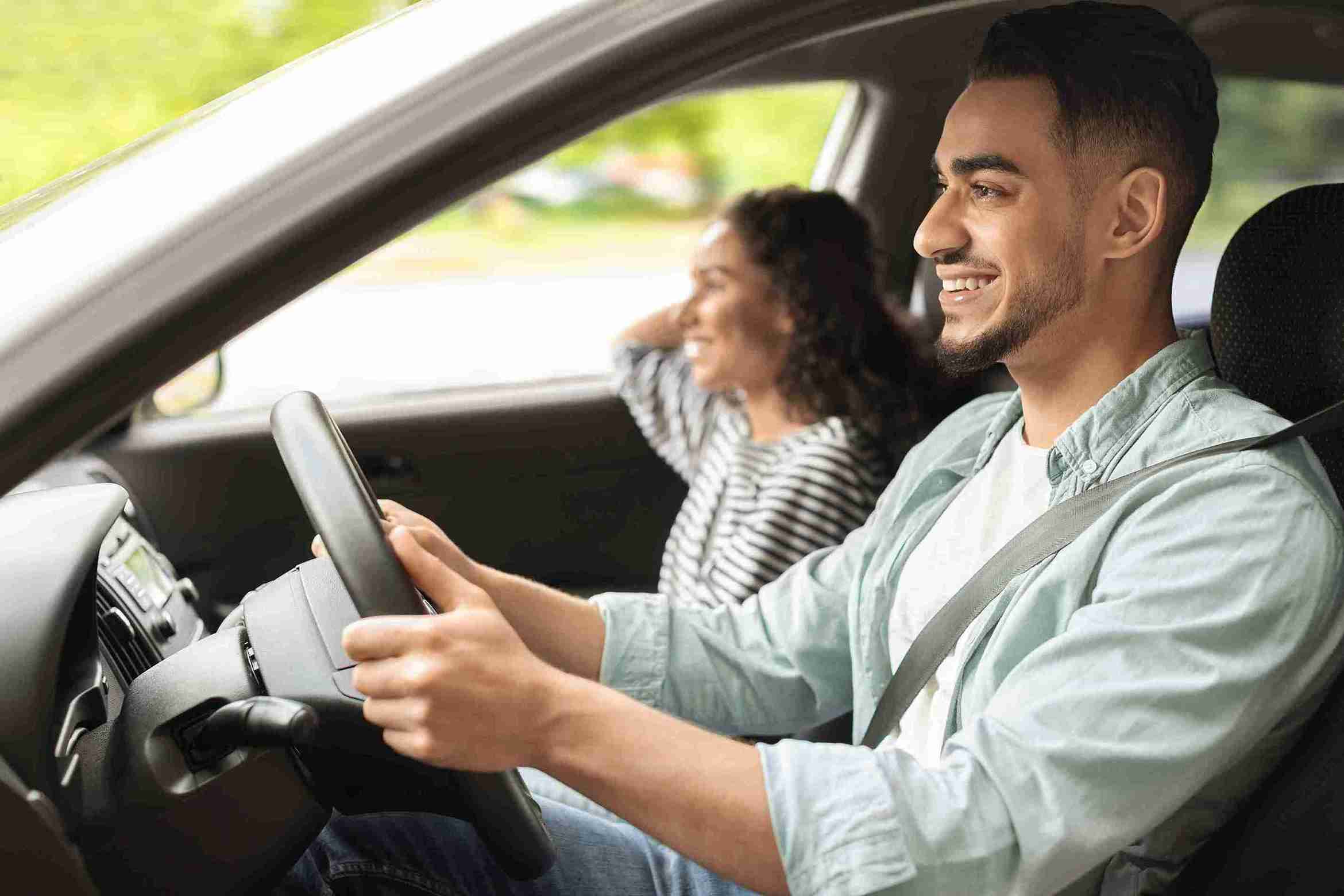
When taking driving lessons in Dulwich, learners gain hands-on experience with a wide range of road and driving environments. From busy main roads and residential streets to junctions, roundabouts, school zones, and quieter lanes, getting familiar with all these different road types is an important part of preparing for a driving test. By understanding the local area, road layouts, and how to handle junctions and roundabouts, learners can build confidence and reduce mistakes on test day. At Wimbledon Driving School, we provide driving lessons in Dulwich, taught by experienced instructors who help learners drive safely across different areas. We outline the key roads and areas in Dulwich that learners typically encounter during driving lessons, alongside key hazards you can come across when learning.
Key Roads and Areas Learners Encounter in Dulwich
Dulwich is a part of South London that features a mix of road types, including quieter residential lanes, school zones, and busy main roads. This variety makes it an ideal place for learner drivers to experience a range of driving scenarios, each requiring specific skills and attention. Practising in these areas also helps learners become comfortable with local traffic patterns, road markings, and common hazards. We highlight some of the main roads and areas learners typically encounter during driving lessons in Dulwich.
Residential Streets
Residential streets in Dulwich are usually narrower and lined with parked cars, local traffic, and junctions. Learners are taught how to manage limited space, maintain safe distances, and anticipate the presence of pedestrians and cyclists. Practising on these streets improves confidence in stopping, starting, and turning, while reinforcing careful observation, smooth steering, and awareness of other road users, skills that are essential for lessons and test day.
Main Roads and Through Routes
Dulwich includes busy main roads, such as the A205 South Circular, as well as other connecting through routes. These roads introduce higher traffic volumes, more junctions, and faster-moving vehicles. Learners practising here develop lane discipline, safe overtaking, smooth acceleration and braking, and improved hazard perception. Regular experience on main roads like these helps to build confidence and prepares learners for realistic driving conditions that they might come across during their test.
Roundabouts
Roundabouts are common throughout Dulwich, ranging from smaller local ones to larger multi-lane examples. Learners practise choosing the correct lane, signalling appropriately, and judging the speed and position of other vehicles. Regular instruction ensures learners approach, enter, and exit roundabouts safely and confidently. This practice builds essential skills for the driving test, including observation, decision-making, and timing, while reducing anxiety at these junctions.
Junctions and Crossroads
Junctions and crossroads, both controlled and uncontrolled, are important areas for learners to navigate safely. Lessons focus on giving priority correctly, observing traffic from multiple directions, and making decisions calmly when turning left or right. By practising these scenarios, learners gain confidence in judging gaps, applying right-of-way rules, and reacting appropriately to unexpected movements of other vehicles and pedestrians.
Hills and Slopes
Certain Dulwich streets, including those near Dulwich Village, feature mild inclines and slopes. Learners often practise hill starts, controlling the vehicle on gradients, and maintaining steady speed while stopping and starting safely. These skills are crucial for managing stop-start traffic without rolling back and ensuring smooth braking. Instructors guide learners through these challenges to develop competence, control, and readiness for their test.
Common Hazards and Tricky Areas Learners Should Know in Dulwich
It’s important for learners to be aware of potential local hazards and more challenging areas in Dulwich. These can include busy junctions, parked cars on narrow streets, and unpredictable pedestrian or cyclist activity. Experiencing these situations during lessons helps learners respond safely, build confidence, and develop good driving habits. Some of the most common tricky areas learners may encounter while driving in Dulwich include:
Narrow Streets and Parked Cars
A lot of residential streets in Dulwich are narrow, often lined with parked cars on both sides. Learners must practise careful positioning, mirror checks, and slow manoeuvring to navigate safely. These streets develop spatial awareness, control, and patience. Regular exposure to tight roads prepares learners for situations where stopping, starting, and passing other vehicles safely are essential in lessons and on the driving test.
Busy Junctions and Intersections
Certain junctions in Dulwich experience higher traffic volumes, including crossroads and T-junctions near schools or shops. Learners practise giving priority, observing traffic from all directions, and making safe, confident decisions. Understanding when to wait or move, combined with accurate signalling and mirror checks, builds essential hazard perception skills, reducing stress and errors during lessons and the practical test.
Cyclists and Pedestrians
Dulwich also has a lot of cyclist and pedestrian activity, especially around parks, schools, and busy streets. Learners must be able to anticipate movements, maintain safe distances, and use mirrors and observation correctly. Practising with an instructor helps develop awareness of vulnerable road users and encourages proactive driving. This reduces the likelihood of minor incidents, improves reaction times, and ensures learners can navigate busy areas safely.
Practising Locally in Dulwich Outside of Lessons
Once learners have had some lessons with a qualified instructor, practising locally in Dulwich with a trusted family member or friend can also be very beneficial. In the UK, provisional licence holders are legally allowed to drive as long as a fully licensed driver who is over 21 is supervising. Becoming familiar with nearby roads, junctions, and residential streets helps reinforce what learners have covered in lessons and builds confidence in real-life situations.
It also provides an opportunity to practise manoeuvres such as hill starts, turns, and stopping safely at junctions without the pressure of a lesson. When combined with professional instruction, local practice supports faster skill development, reduces nerves, and helps learners approach their practical test with greater confidence.
Professional Driving Lessons in Dulwich
We offer driving lessons in Dulwich at Wimbledon Driving School to help you learn all types of roads and streets in the area, preparing you to pass your test successfully. We provide a range of lesson types, including standard lessons, refresher courses, Pass Plus programmes, and more, with both manual and automatic driving available. Our highly experienced instructors guide you through every lesson, helping to navigate Dulwich’s roads and streets safely and smoothly while providing support throughout the process. If you’re ready to start learning to drive in Dulwich, book lessons online today.