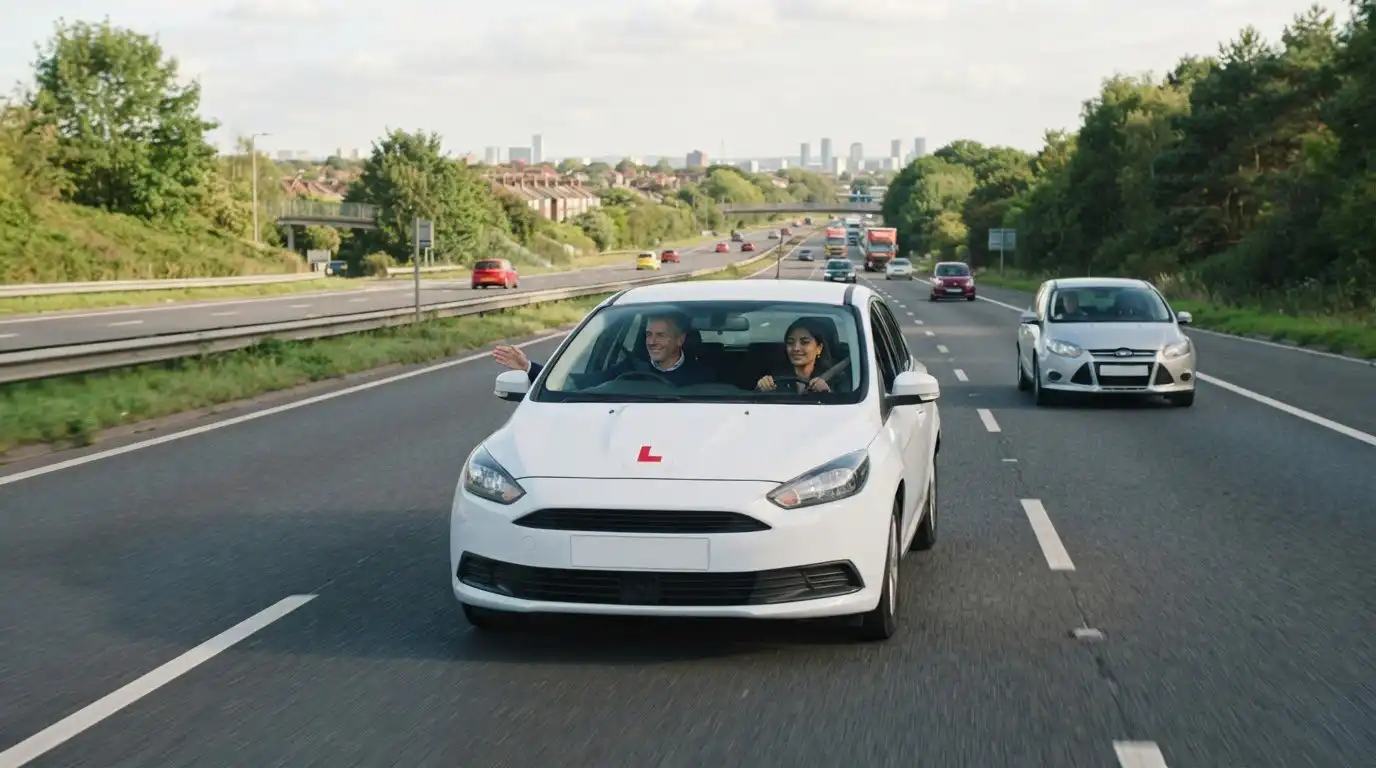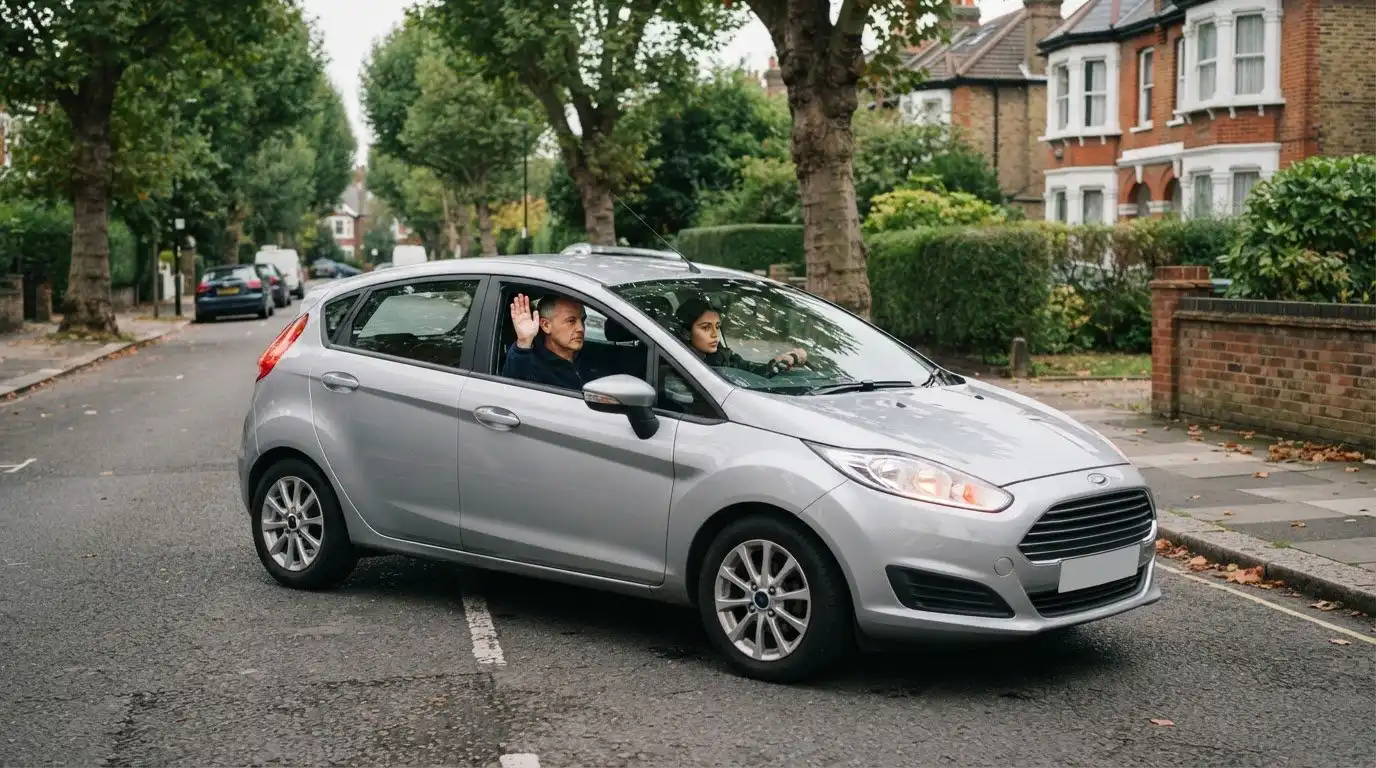
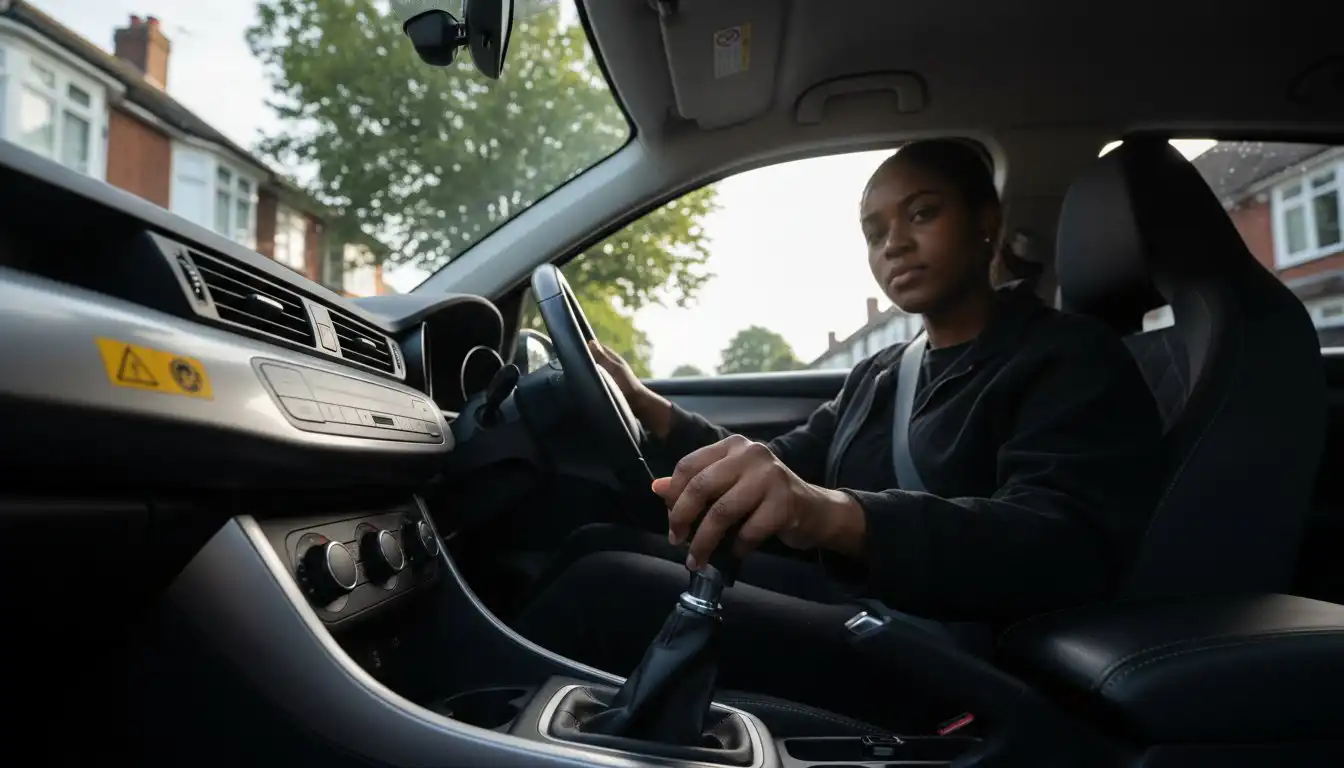
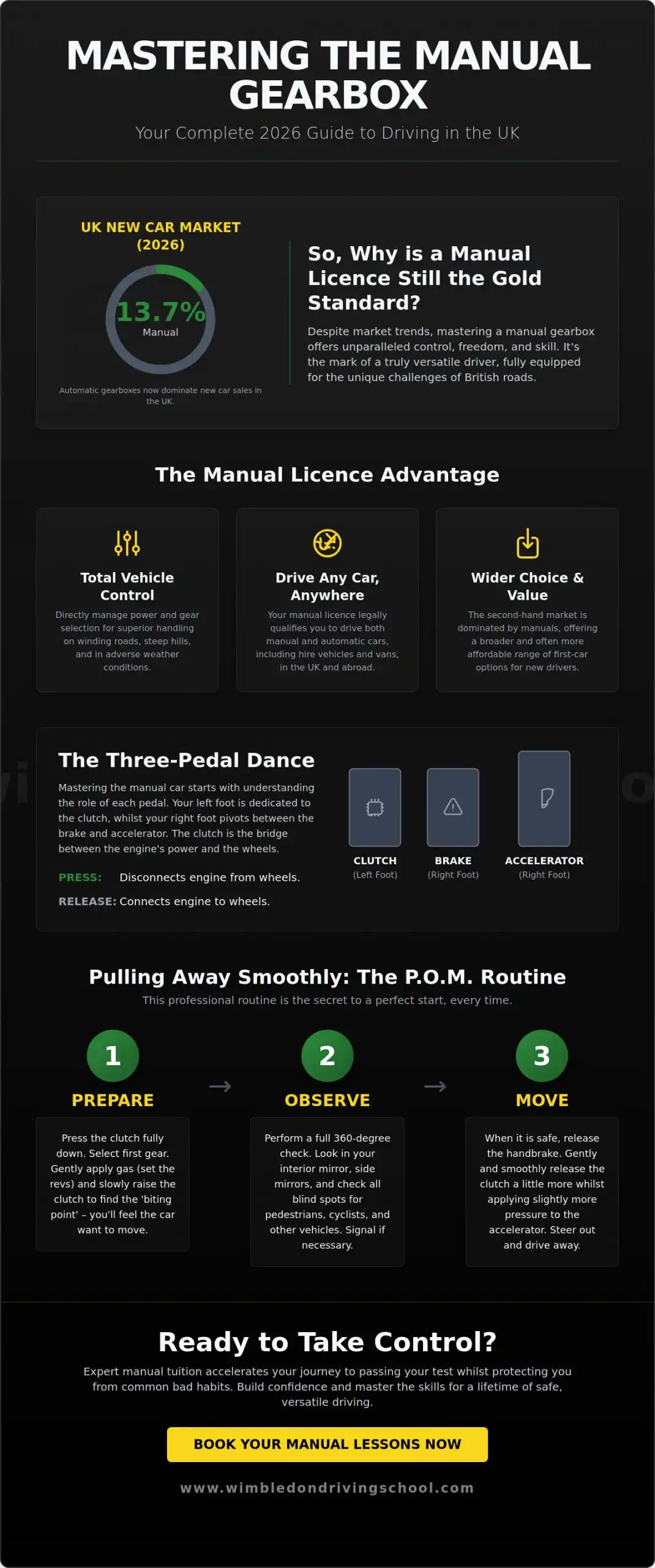
Did you know that manual gearbox cars account for just 13.7% of the new car market in the UK so far in 2026? While automatics dominate the showrooms, mastering a manual remains the gold standard for drivers who want total vehicle authority and the freedom to drive any car. We understand that coordinating three pedals with only two feet feels like a daunting task, especially when you’re searching for the best tips for learning manual car uk to avoid stalling at a busy junction or rolling backwards on a steep hill. It’s a common hurdle that every elite driver once faced before finding their rhythm.
This guide will transform your relationship with the gearbox, helping you master clutch control and smooth gear changes whilst building the skills to pass your UK practical test with absolute confidence. We promise to provide the professional knowledge you need to feel completely test-ready for the demands of modern roads. We’ll explore the secrets to smoothly pulling away every time, the logic behind gear selection for different speeds, and the latest 2026 theory test updates. This is the start of your journey toward a significant personal milestone.
Key Takeaways
- Understand why manual driving remains the gold standard for total vehicle authority on challenging British roads and terrain.
- Master the “three-pedal dance” by learning to use the clutch as a vital bridge between the engine and the wheels.
- Apply professional tips for learning manual car uk to perfect the P.O.M. routine and pull away smoothly every time.
- Conquer hill starts and busy roundabouts with confidence by using strategic gear planning and effective handbrake control.
- Discover how professional manual driving lessons accelerate your journey toward a full licence whilst protecting you from common bad habits.
Mastering the Manual Gearbox: Why it Remains a British Favourite in 2026
The manual gearbox is more than just a mechanical component; it’s a quintessential part of the British driving experience. Even as we move through 2026, the manual shift remains the preferred choice for those who demand total authority over their vehicle. While automatic sales are rising, the ability to select your own gears provides a level of engagement and control that is particularly beneficial when tackling the UK’s unpredictable weather and varied terrain. Understanding how a manual transmission works is the first step toward achieving that sense of mastery. If you are looking for tips for learning manual car uk, you’ll find that having direct control over power delivery is a genuine game-changer on our narrow, winding roads.
Modern engineering has evolved significantly. In 2026, many manual cars feature mild-hybrid technology, which assists with fuel efficiency without stripping away the driver’s connection to the road. These systems often include “iMT” (intelligent Manual Transmission) features that can smooth out rev-matching and help prevent stalling, making it an exciting time to learn. You get the classic feel of a mechanical gearbox paired with the sophisticated benefits of 21st-century innovation. This blend of old-school skill and new-school tech makes the learning process more rewarding than ever before.
To better understand this concept and see the mechanics in action, watch this helpful video:
The Advantages of Learning Manual in the UK
Choosing a manual licence opens doors that remain closed to automatic-only drivers. In the UK market, the second-hand car sector is still dominated by manuals, offering a wider range of affordable first-car options for new drivers. Beyond the finances, manual skills foster a superior “feel” for the vehicle. You become more attuned to engine sounds and road conditions, which naturally heightens your overall road awareness. Mastering these tips for learning manual car uk ensures you’re legally qualified to drive any car, including vans for moving house or hire vehicles whilst on holiday, giving you ultimate flexibility in your driving life.
Manual vs Automatic: The 2026 Perspective
It’s no secret that the learning curve for a manual car is steeper. Coordinating the clutch and gear stick takes time and patience, but the payoff is a lifetime of driving versatility. For some, the Manual vs Automatic debate comes down to confidence and personal comfort. If you’re a nervous learner, the simplicity of an automatic might be tempting, yet many UK drivers find that the physical engagement of shifting gears keeps them more focused and connected to the driving task. It turns a mundane commute into an active journey toward personal achievement and total vehicle control.
The Three-Pedal Dance: Understanding Clutch Control and the Biting Point
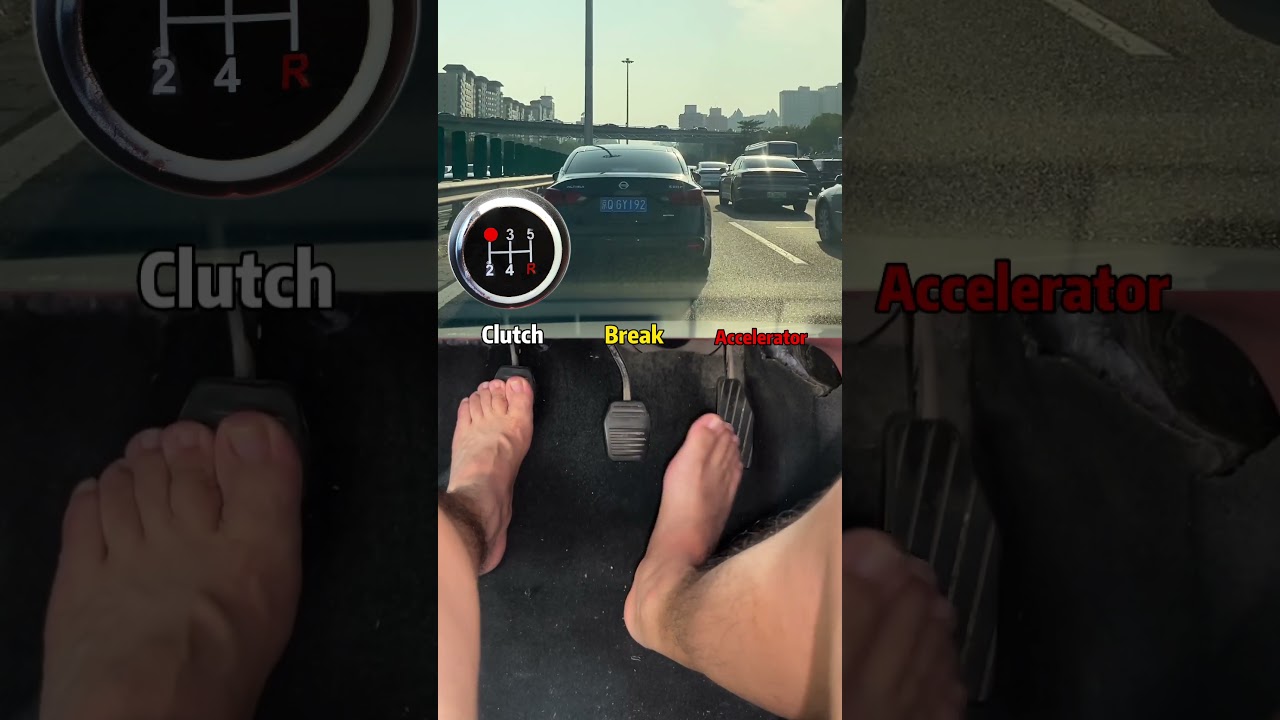
Mastering a manual car requires a physical synchronisation often described as the “three-pedal dance.” Unlike an automatic, where the car manages the connection between the engine and the wheels, a manual puts that responsibility in your hands; or rather, your left foot. The clutch acts as a vital bridge. When you press it down, you disconnect the engine from the wheels, allowing you to change gears or stop without the engine cutting out. The pedal layout is simple, yet requires discipline:
- Clutch (Left): Operated solely by your left foot.
- Brake (Middle): Controlled by your right foot.
- Accelerator (Right): Also controlled by your right foot.
The most critical concept for any learner is the “biting point.” This is the precise moment when the plates within the clutch system begin to touch, allowing power to flow from the engine to the transmission. If you release the clutch too quickly, the engine cannot handle the sudden load and stalls. This often triggers “stall-anxiety,” a psychological hurdle where nervous learners fear the embarrassment of a cut-out engine at busy junctions. It’s important to remember that stalling is merely a physical mismatch of speed and pressure. It is a natural part of the learning process documented in the official UK government driving guide, and even elite drivers occasionally get it wrong in an unfamiliar car.
Finding the Biting Point Every Time
Consistency is the hallmark of a confident driver. One of the most effective tips for learning manual car uk is to practice the “feet in the air” exercise whilst the engine is off. This builds muscle memory for the leg movement before you add the pressure of a live engine. When the car is running, listen for a subtle change in the engine note. The revs will dip slightly, and you’ll feel a faint vibration through the pedal. To ensure a smooth pull-away, always “set the gas” first. By gently pressing the accelerator to around 1,500 RPM before lifting the clutch to the bite, you provide the engine with enough energy to move the vehicle’s weight without struggling.
Advanced Clutch Mastery: Creeping and Crawling
In heavy urban traffic, you rarely need to fully release the clutch. Instead, you’ll use a technique called “creeping.” By hovering the clutch around the biting point, you can move the car at a snail’s pace with incredible precision. This is also the secret to flawless parallel parking and other tight manoeuvres. However, you must avoid “riding the clutch,” which is the habit of keeping the pedal partially depressed when it isn’t necessary. This causes excessive friction and leads to expensive mechanical wear. If you find yourself struggling with these technical nuances, consider booking professional manual driving lessons to refine your footwork under expert guidance. This investment in your skills ensures you become a safe, competent driver for life.
Step-by-Step: Moving Off and Changing Gears Smoothly
Moving off is the moment where theory meets the tarmac. To execute this perfectly, you must master the P.O.M. routine: Preparation, Observation, and Manoeuvre. Preparation involves depressing the clutch, selecting first gear, and finding that biting point we established in the previous section. Observation requires a full 360-degree scan of your surroundings, checking every blind spot. Only when you are certain it is safe do you proceed to the Manoeuvre. This disciplined approach ensures you enter the flow of traffic with the poise of a professional.
The sequence for a flawless start follows a specific rhythm: “Gas on, Clutch to the bite, Handbrake off.” By applying a small, steady amount of accelerator first, you provide the engine with the necessary torque to move the car’s weight. If you feel that familiar spike of stall-anxiety, remember that a confident right foot is your best defence. Keeping the engine revs consistent prevents the car from cutting out as the clutch plates fully engage. It’s a physical conversation between your feet and the engine.
Once you are in motion, shifting gears should never feel like a mechanical struggle. The secret to a seamless transition is the “Neutral Pause” technique. Instead of forcing the gearstick directly from one position to the next, allow it to rest in the central neutral position for a fraction of a second. This brief pause allows the gearbox synchronisers to align, resulting in a much smoother shift. Matching your engine revs to your chosen gear creates a refined driving experience that preserves the life of your vehicle.
The Gearbox Layout: Finding Your Way Without Looking
To avoid the common mistake of selecting the wrong gear, use the “Palm Method.” For first and second gear, turn your palm away from you, pushing the lever firmly to the left. For third and fourth, let the stick spring naturally to the centre and push straight up or down. As a general rule of thumb, look to shift up at approximately 2,500 RPM to maintain fuel efficiency and engine health. You don’t always need to go through every gear in sequence; “block changing” from fifth gear directly to third is a highly effective way to slow down whilst maintaining total vehicle authority. These are the essential tips for learning manual car uk that separate confident drivers from nervous learners.
Stopping and Securing the Vehicle
When it is time to bring the car to a halt, follow the “Clutch Down Late” rule. Use the brake to reduce your speed first, only depressing the clutch when the engine speed drops toward idle. This technique prevents “coasting,” a dangerous habit where the car rolls without the engine being connected to the wheels. If you are required to perform an emergency stop, depress both the brake and the clutch simultaneously and firmly. Once stationary, secure the vehicle by applying the handbrake and selecting neutral. This professional sequence ensures the car is safe before you relax your feet, marking the successful end of your manoeuvre.
Navigating UK Roads: Hill Starts and Roundabouts with Confidence
UK roads present a unique set of challenges that demand sharp reflexes and strategic gear selection. Whether you are navigating the narrow streets of a historic village or the bustling multi-lane systems of a major city, your ability to choose the right gear at the right time is paramount. One of the most effective tips for learning manual car uk is to look ahead and plan your approach at least ten seconds before you reach a hazard. This foresight allows you to transition smoothly from cruising speeds to the controlled pace required for junctions and roundabouts. It’s about being proactive rather than reactive.
In residential areas, particularly across South West London and Surrey, 20mph zones have become the standard. Maintaining this speed in a manual car requires a delicate balance; third gear is often too high, leading to a lack of engine braking, whilst second gear can feel overly aggressive. Finding the “sweet spot” in second gear allows you to manage your speed with the accelerator alone. This provides better control in high-pedestrian areas and ensures you aren’t constantly hunting for the brake pedal. When approaching junctions, the decision between first and second gear depends entirely on your speed and visibility. If you can keep the car rolling at a walking pace with a clear view, second gear is your best friend. If you must stop or the view is “closed,” first gear is essential. Learners preparing for their test in the local area may also find it helpful to explore driving lessons in Sutton, where expert instructors guide you through the specific road layouts and junctions you will encounter on test day.
Conquering the Dreaded Hill Start
The fear of rolling backwards is perhaps the greatest source of stress for manual learners. To eliminate this risk, treat your handbrake as your most reliable ally. When stopped on an incline, apply the handbrake firmly and select first gear. Set your power by gently pressing the accelerator and bringing the clutch to the biting point until you feel the car strain slightly against the brake. Once you are sure the engine has “taken the weight” of the car, release the handbrake smoothly. If the car begins to roll, don’t panic; simply press the footbrake and re-apply the handbrake to reset. For advanced learners on shallow inclines, the “quick feet” technique involves moving your right foot rapidly from the brake to the gas whilst hitting the bite, but this requires significant muscle memory to master.
Manual Control at UK Roundabouts
Approaching a roundabout is a test of your coordination and observation. A common mistake is staying in a high gear for too long, which can leave the car feeling sluggish when a gap appears. Use the “Brake-Gear-Look” sequence: brake to a suitable speed, shift down to second gear, and then look for your opening. Approaching in second gear keeps the engine responsive, allowing you to accelerate away quickly and safely without the risk of stalling. For a deeper understanding of how examiners grade these manoeuvres, consult our Practical Driving Test Guide. If you want to master these complex road systems with a professional mentor by your side, you can book your professional manual lessons here to start your journey today.
Accelerate Your Success: Why Expert Manual Tuition is the Smartest Choice
Learning to drive a manual car is a transformative journey, but the path you choose determines your ultimate success. Many learners begin by practicing with parents or friends, yet this often leads to the adoption of poor habits that are difficult to unlearn. “Clutch-riding”, the habit of keeping the pedal partially depressed, is a common issue that causes premature mechanical wear and can lead to a failure on your practical test. Professional instruction provides the structured environment necessary to master the technical nuances of the gearbox safely. By following expert tips for learning manual car uk, you ensure that your foundation is built on industry-leading standards rather than informal shortcuts.
Our professional instructors utilize vehicles equipped with dual controls, providing a vital safety net that preserves both your confidence and the gearbox. This allows you to practice the “three-pedal dance” without the fear of surging into traffic or causing damage. For nervous drivers, this sense of security is essential. It transforms a high-pressure situation into a calm, educational experience where you can focus on the rhythmic skill of shifting gears. We frame every lesson as a step toward a significant personal milestone, ensuring you feel supported throughout the entire process.
The Value of Professional Manual Lessons
The quality of your tuition directly impacts your ability to handle complex road situations. Our instructors, many of whom are RoSPA Gold certified, bring a level of professional authority that significantly improves pass rates. For those who wish to reach their goal more quickly, our Intensive Fast-Track Courses provide a concentrated learning experience that builds muscle memory rapidly. We customize your journey based on your specific needs, whether you are navigating the intricate test routes around the Morden centre or the busy junctions near Tolworth. Every lesson includes preparation for the “Show Me, Tell Me” questions, ensuring you have a comprehensive understanding of your manual vehicle’s controls.
Ready to Start? Your Manual Journey Begins Here
Starting your driving career is a simple, logical process. To book your first lesson, you simply need your provisional driving licence and a readiness to learn. Once you begin, you gain access to our extensive Learning Centre, which offers a wealth of resources to supplement your time behind the wheel. These tools are designed to reinforce the tips for learning manual car uk you receive during your practical sessions. Remember, you are entirely capable of mastering the manual car. With the right mentorship and a disciplined approach, you will move from a nervous learner to a confident, fully licensed driver. Your journey toward independence starts with a single, confident decision today.
Take the Wheel with Total Confidence
Mastering the manual gearbox is a definitive milestone that grants you ultimate freedom on British roads. By understanding the intricate “three-pedal dance” and applying professional tips for learning manual car uk, you transform from a hesitant learner into a driver with total vehicle authority. You have learned how to conquer the biting point, navigate complex roundabouts, and execute flawless hill starts whilst maintaining absolute control at every junction.
At Wimbledon Driving School, we specialise in guiding nervous and first-time drivers through this transformative journey. Our RoSPA Gold and IAM certified instructors bring a premier standard of tuition to every session, resulting in consistently high pass rates across South West London. We provide the expertise and dual-controlled security you need to turn your aspirations into a full driving licence. We respect your time and your goals, ensuring every lesson moves you closer to success.
Your path to driving excellence starts with a single, decisive action. Book Your Expert Manual Driving Lessons Today and begin your journey with the industry’s finest mentors. You are capable of mastering the manual car, and we are ready to help you succeed.
Frequently Asked Questions
Is it harder to learn in a manual car than an automatic?
Learning in a manual car is more physically demanding initially because you must coordinate three pedals with two feet. Automatics simplify the process by removing the clutch, but a manual licence provides total authority over every vehicle type. Most students find the extra effort rewarding once they master the rhythmic “dance” of the gearbox and gain the freedom to drive any car.
How many lessons does it take to master the clutch?
Clutch mastery typically occurs within the first five to ten hours of professional instruction. While the DVSA recommends around 45 hours of professional lessons to become test-ready, the physical muscle memory for the biting point develops much earlier. Consistent practice with elite mentors accelerates this timeline significantly, allowing you to focus on more complex road craft.
Will I fail my UK driving test if I stall the car?
Stalling does not automatically result in a test failure. You will only receive a major fault if the stall occurs in a dangerous situation, such as in the middle of a busy roundabout, or if it causes an obstruction to other road users. Staying calm, securing the car, and restarting safely is the best way to demonstrate your competence to the examiner.
What is “coasting” and why is it dangerous in a manual car?
Coasting occurs when you travel for a significant distance with the clutch depressed or the gearstick in neutral. This is dangerous because it removes engine braking, meaning the car can pick up speed quickly on descents and requires more braking effort to stop. It also reduces your tyre grip and your ability to accelerate away from a hazard instantly.
Can I drive an automatic car if I pass my test in a manual?
Passing your practical test in a manual car legally entitles you to drive both manual and automatic vehicles. If you pass in an automatic, your licence is restricted to automatics only, and you would need to take another practical test to drive a manual. Gaining a manual qualification is the smartest choice for maximum flexibility in your future driving career.
How do I know which gear to be in for a specific speed?
Selecting the correct gear is a blend of monitoring your speedometer and listening to the engine’s “voice”. One of the best tips for learning manual car uk is to use the 10mph rule: first gear for pulling away, second for 10-20mph, and third for 20-30mph. As your confidence grows, you will learn to feel when the engine requires a shift based on the vibration and sound.
What should I do if I accidentally put the car in the wrong gear?
If you select the wrong gear, immediately depress the clutch to prevent the engine from struggling or the car from jerking. Move the gearstick back to the neutral position and calmly select the appropriate gear for your current speed. Avoid looking down at the stick; keep your eyes on the road whilst you correct the error to maintain safety.
Is it better to learn manual even if I plan to buy an electric car?
Learning manual remains highly beneficial in 2026 even with the rise of electric vehicles. A manual licence ensures you can drive hire cars abroad, second-hand petrol models, and commercial vans that may not be electric yet. It provides a foundational understanding of vehicle dynamics that makes you a more attentive and skilled driver regardless of the powertrain.
Disclaimer
This article is provided for general informational purposes only and does not constitute professional driving, legal, or safety advice. While we aim to keep our content accurate and up to date, rules, prices, and DVSA test requirements can change — always check gov.uk or contact us directly at 020 3524 7968 for the latest guidance before making any decisions. Nothing in this article guarantees a specific outcome, including passing your driving test within any stated timeframe. For current pricing, course availability, and instructor details, please visit our Prices page or get in touch.