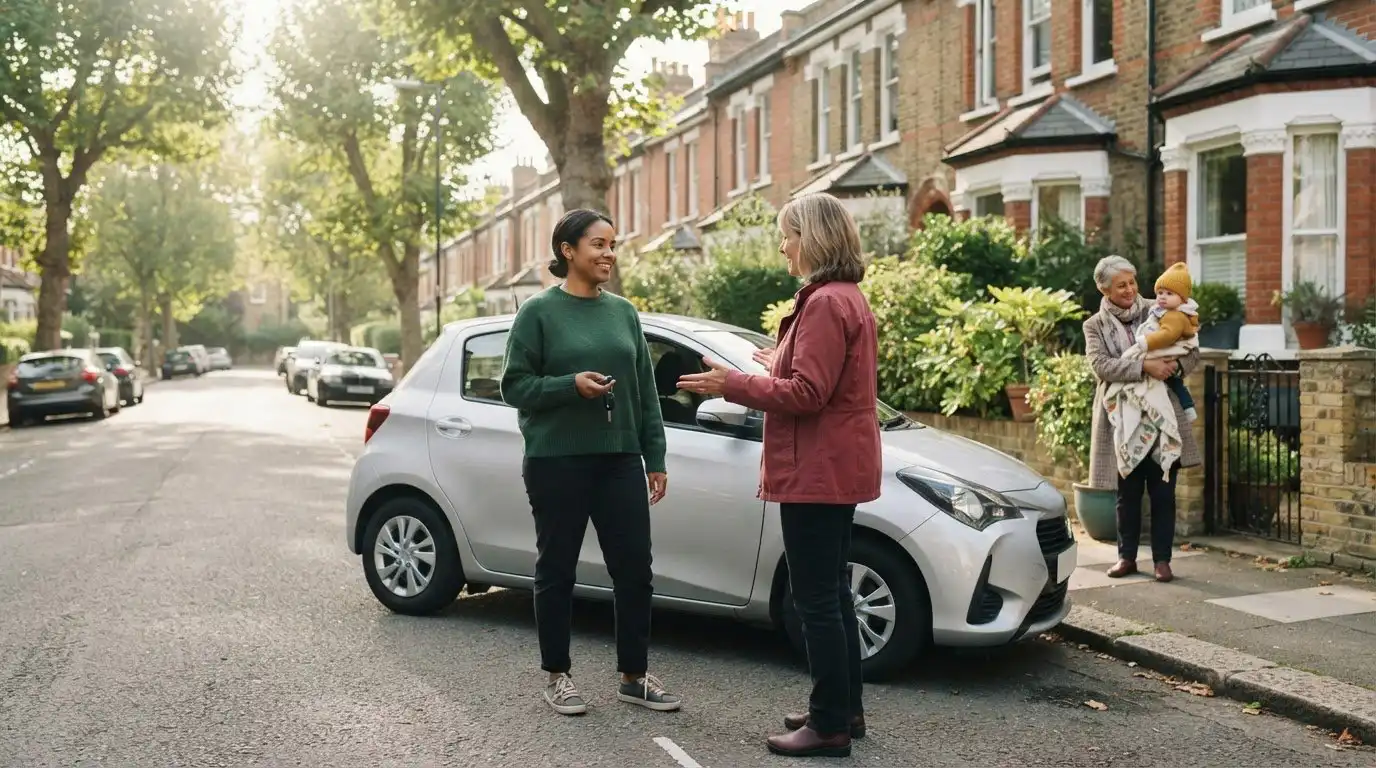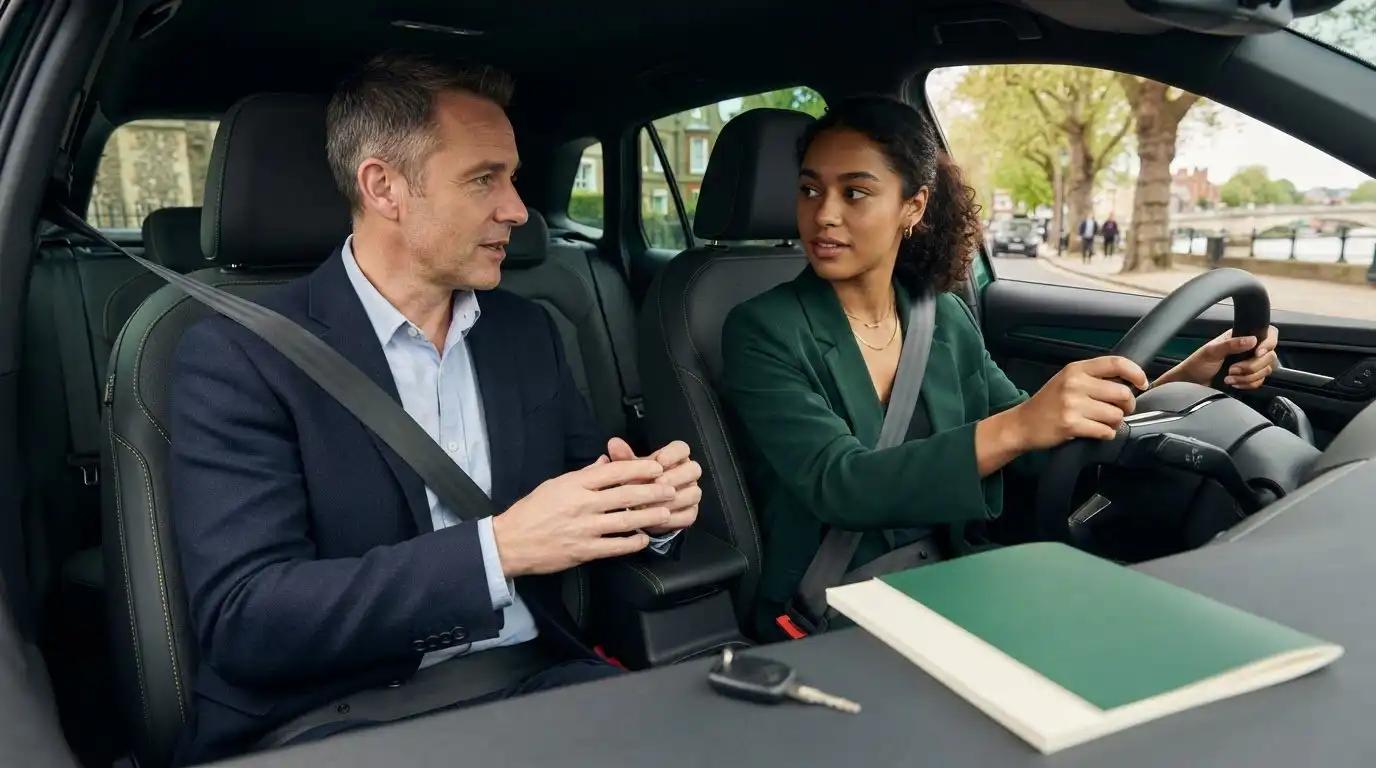
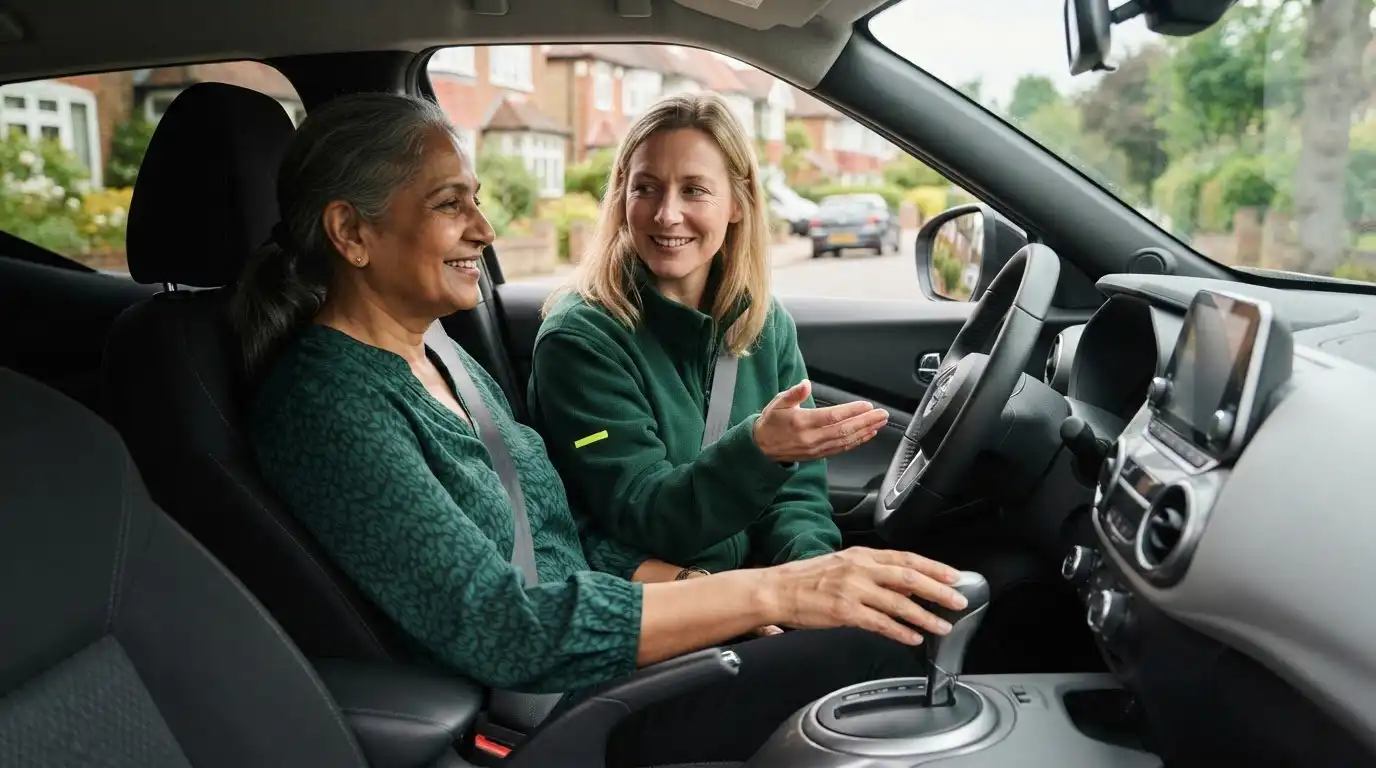
Learning to drive later in life doesn’t have to be a race. Yes, automatic lessons are available to older learners in Middlesex, and automatic car lessons for seniors in Middlesex can be paced around your confidence and experience. As a guide, DVSA research puts the average learner-driver training requirement at around 45 hours with an instructor, plus about 22 hours of private practice.
It’s natural to want clear information before you begin, especially if you feel nervous, haven’t driven for years or need lessons to fit around other commitments. The right pace gives you time to build confidence and practise skills until they feel familiar.
This guide explains what to look for in an instructor, how lesson scheduling and prices work, and what support can help older or nervous learners. You’ll also see how instructor-led lessons and supervised private practice can work together, so you can plan your next steps with a clearer picture of the learning process.
Key Takeaways
- Look for an instructor who explains each skill clearly, adapts the pace to your experience and helps you build confidence step by step.
- Compare lesson formats and package terms, as the overall cost depends on how you book and the amount of tuition you need.
- Agree on manageable goals for each lesson, especially if nerves or a long break from driving make starting feel daunting.
- Use private practice to reinforce the skills covered in lessons, where suitable, and focus on areas that need more confidence.
- Wimbledon Driving School offers automatic lessons and pre-paid tuition packages with a reduced hourly rate when you purchase 10 or more hours in advance.
Instructor qualifications and experience
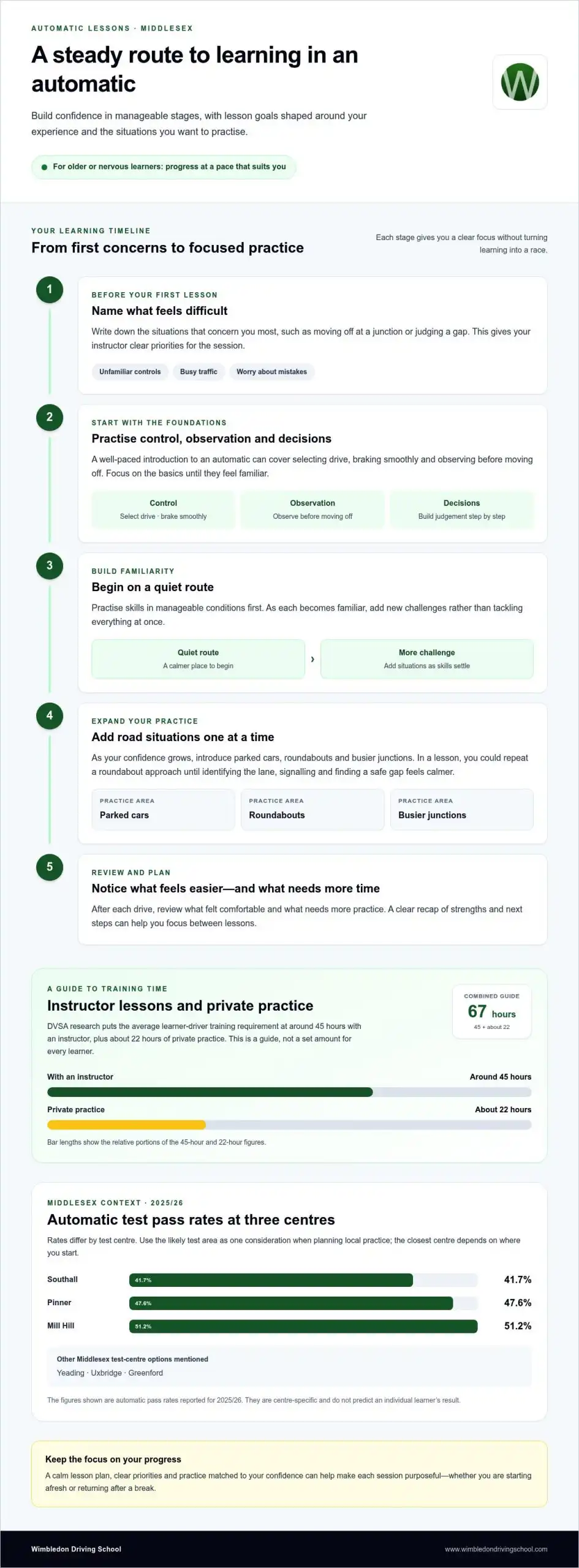
Automatic test pass rates differ by Middlesex test centre. For 2025/26, the automatic pass rate was 47.6% at Pinner, 41.7% at Southall and 51.2% at Mill Hill.
Middlesex test-centre options include Pinner, Southall, Mill Hill, Yeading, Uxbridge and Greenford. The closest depends on where you start, so consider the likely test area when planning local practice.
Experience matters when an instructor turns it into clear, relevant tuition. Ask how they help older learners rebuild road awareness, practise decision-making and manage busy junctions. For example, you could repeat a roundabout approach until you can identify the lane, signal and a safe gap calmly.
Qualifications can also indicate ongoing professional development. Some instructors hold RoSPA Gold and IAM qualifications, which reflect advanced motoring study. Look for explanations that connect road-safety principles to your lesson, such as maintaining space, scanning for hazards and choosing a safe speed for the conditions.
You can check an instructor’s Approved Driving Instructor status on the DVSA register. Consider this alongside teaching experience, communication and a structured lesson plan. Ask how they review your progress: a clear recap of strengths and next steps helps you know what to practise between lessons.
Language can affect how easily you absorb instructions. Before tuition begins, agree on the language you’re most comfortable using for explanations and make sure key driving terms are clear. You should understand instructions about mirrors, signals, positioning and emerging before practising them on the road.
If you prefer a female instructor, mention this when arranging lessons. Feeling comfortable with your instructor can make it easier to raise concerns and ask for a slower explanation. Consider the teaching approach, too: patient feedback should be specific, respectful and focused on the next skill to practise.
For automatic tuition, clear explanations of the car’s controls can make early lessons less demanding. A well-paced introduction can cover selecting drive, braking smoothly and observing before moving off. This guide to learning in an automatic car also explains why removing gear changes may help you concentrate on traffic and road positioning.
Use your first lesson to assess whether the teaching approach suits you. Notice whether the instructor listens to your goals, explains safety decisions and gives you time to practise. An instructor who adapts feedback to your experience can make each lesson purposeful, whether you’re starting afresh or returning after a break.
Lesson prices and special offers
For automatic lessons in Middlesex, the total cost depends on the tuition you need and how you choose to book. The price is given after a quote request, with factors such as lesson format, package size and your learning goals shaping the amount. Compare the full booking terms, not just an advertised hourly rate.
A pre-paid tuition package can offer a reduced hourly rate when you purchase 10 or more hours in advance. This may suit you if you want a planned run of lessons and can commit to several sessions. Consider whether the booking arrangement fits your routine, and how regularly you expect to use the hours.
Pay-as-you-go tuition offers another way to organise learning. Booking individual lessons can help you spread sessions around other commitments. Compare the total for the amount of tuition you expect to need, rather than focusing only on a single lesson rate. Your learning goals and progress will influence how much tuition is appropriate.
Review package terms before choosing. Look at the number of hours included, the lesson format and how sessions are arranged. Understand how the package handles unused tuition, so you can judge whether the commitment suits your circumstances. Clear terms make it easier to compare options on a like-for-like basis.
Your learning plan also affects which format suits you. Regular lessons give you time to absorb and revisit skills, while an intensive course concentrates learning into a shorter period. The right option depends on your confidence, previous experience and the time you can set aside for lessons and practice.
Compare manual and automatic tuition according to the format you intend to learn in. If you have a preference about who teaches you, such as wanting a female instructor, consider how that fits with your scheduling needs. A useful budget accounts for the lesson format and gives you room to focus on skills that need more practice.
Before deciding, note the package hours, payment arrangement, lesson format and terms for unused tuition. A guide to driving lesson costs explains factors that can shape a learning budget. Comparing these details can help you choose an arrangement that fits your plans without relying on a headline offer alone.
Compare these formats with your schedule and the amount of tuition you expect to need before choosing.
Mature and nervous learner support
Starting later in life can bring specific concerns, such as unfamiliar controls, busy traffic or worry about making mistakes. Before your first lesson, write down the situations that feel hardest, such as moving off at a junction or judging a gap. This gives your instructor clear priorities for the session.
Older drivers can build confidence in an automatic car by practising control, observation and decision-making in manageable steps. Start on a quiet route, then add challenges such as parked cars, roundabouts and busier junctions as each skill becomes familiar. After each drive, review what felt comfortable and what needs more practice.
A calm lesson plan makes progress easier to recognise. Practise moving off and stopping before adding turns, then repeat those skills on roads with more traffic. Ask for instructions before a manoeuvre rather than only as it happens. That gives you time to understand the task and focus on the road.
Nerves can affect concentration, so agree on a simple way to pause and reset if you feel overwhelmed. You might stop in a safe place, discuss what caused the tension, then continue on an easier route. Specific feedback, such as “check the mirrors before changing position”, is more useful than general praise.
Keep a brief learning note after each session. Record one skill that improved, one situation to revisit and one question for your next lesson. For example, note whether approaching a mini-roundabout felt manageable, then ask to practise it again before moving to a more complex junction.
- Choose a lesson goal, such as smoother braking or clearer observations.
- Ask the instructor to explain unfamiliar controls before setting off.
- Repeat a challenging manoeuvre until you can describe each step.
- Review the route and identify a quieter alternative if traffic feels demanding.
Booking lessons at a pace that suits your routine can help learning feel structured rather than rushed. Share relevant experience, such as having driven abroad or returning after a long break, so the instructor can tailor the starting point. A guide to senior driving lessons also explores confidence and safe learning.
Focus on habits that support safer decisions: scan ahead, leave time to respond and avoid rushing into a gap. Practise recognising when you need more space, such as when passing parked vehicles on a narrow road. These skills help with both the driving test and independent journeys after you gain your licence.
If test anxiety is part of the picture, include the test format in your preparation. Talk through the parts that concern you, then practise them in lessons, such as following directions or completing a manoeuvre. A familiar routine can make learning feel more manageable.
Typical lesson and private practice hours
DVSA research puts the average learner-driver requirement at around 45 hours with an instructor and about 22 hours of private practice. Treat these figures as a guide, not a personal target: your experience, confidence and progress with each skill shape the hours you need.
Automatic driving lessons cover a broad range of skills. You might begin with moving off, stopping and steering, then practise junctions, roundabouts and parking. Your instructor can identify what feels secure and what needs more work before you move on to more demanding routes.
Build your learning plan around clear milestones rather than a fixed number of lessons. First, aim to approach a junction safely; then practise choosing a suitable gap. Once that feels consistent, add busier traffic or a less familiar route. This makes progress easier to review and helps direct tuition to the skills you need to develop.
Private practice can reinforce skills between lessons when the journey is suitable and properly supervised. Use a short route to revisit one specific task, such as smooth braking or checking mirrors before changing position. Afterward, note what felt easier and what you want to ask about at your next lesson.
- Choose one skill to practise, such as accurate positioning.
- Use a familiar, manageable route before adding complexity.
- Discuss any difficulty with your instructor before repeating it.
Keep the balance between instructor tuition and private driving practical. A lesson can introduce a technique, while practice lets you repeat it in different situations. After working on parked-car clearance with your instructor, for example, notice how road width and approaching traffic affect your position on a familiar street.
Feeling nervous is a reason to make practice more structured, not to rush through more hours. Agree on a simple goal for each session, then review it before finishing. If reversing into a space remains difficult, focus on observation and control rather than moving straight to another manoeuvre.
Test-centre pass rates describe results at a centre, not how many lessons an individual needs. Being ready for the test depends on consistent driving across different road situations, sound observations and independent decisions. Use instructor feedback to identify gaps rather than treating a centre’s pass rate as a prediction of your result.
For more guidance on lesson planning, this guide to the number of driving lessons explores how learning needs can vary. Review your progress regularly and adjust the mix of tuition and practice as your skills develop.
How to choose a patient automatic driving instructor for an older learner
Start with your priorities. You may be learning from scratch, returning after a long break or adapting to driving in Middlesex. Tell your instructor which situations concern you, such as busy roundabouts, parking or joining faster roads. Their response can show whether they listen and offer a practical way forward.
Ask how the first lesson is structured. A supportive approach might begin with the car’s controls, then move to a quiet road before busier traffic. The instructor should explain each step and make time for questions. You should understand the purpose of an exercise, not simply follow a stream of directions.
Pay attention to how feedback is delivered. Specific guidance, such as “check your mirrors before signalling”, gives you a clear action to practise. Ask how your progress will be recorded and how the next lesson builds on it. A short recap helps you see whether the teaching is organised around your goals.
Discuss lesson pace and scheduling before you begin. If you need time to absorb new skills, ask how lessons can progress gradually. You might start on familiar residential roads, then work towards a busier shopping area. A suitable plan should reflect your experience and the journeys you want to make.
Practical preferences matter, too. If you feel more comfortable with a female instructor, explain that when arranging tuition. Mention any language preference or communication need that affects how you learn. Agreeing on these details early can make instructions clearer during lessons.
Use the first session to assess the teaching relationship. Notice whether the instructor stays calm after an error, gives you time to think and explains safety decisions. If a junction approach feels rushed, a patient instructor can discuss what happened and help you practise the decision again.
Ask how the instructor checks that you’re ready to handle a skill independently. Useful feedback distinguishes between a task you can manage consistently and one that still needs guidance. You can also check that the instructor is listed on the DVSA register and discuss how they adapt tuition for older learners.
Before arranging regular lessons, agree on how you’ll review progress. A useful recap could identify a skill you can now manage and a question to revisit next time. Consider whether the instructor’s explanations, feedback and lesson planning help you learn at a purposeful pace.
- Explain your experience and the journeys you want to prepare for.
- Ask how lesson goals and progress will be reviewed.
- Discuss teaching preferences and communication needs in advance.
Choose an instructor whose approach helps you understand each step and take an active part in learning.
An older learner returning after a long break can discuss a gradual, goal-based lesson plan with an instructor, focused on the journeys and situations they want to handle.
Wimbledon Driving School: Manual Driving Lessons
Wimbledon Driving School offers automatic driving lessons for older learners who want to build confidence without changing gears. If you’d also like to learn in a manual car, manual lessons let you practise gear changes alongside road awareness. The right choice depends on the driving you want to do and the skills you’re ready to develop.
Choose automatic tuition if simplifying the controls will help you focus on observation, positioning and decisions in traffic. Choose manual lessons if you want to learn gear control as part of your driving skills. Either way, lessons can help you work towards greater independence on the road.
Think about the journeys you hope to make and the type of car you expect to drive. This can help you choose a learning route that feels relevant to your next steps.
Take the next step at your pace
Your first lesson is a practical starting point, not a test of what you already know. Set one clear goal, such as getting comfortable with the controls or practising a familiar route, then build from there. The right pace gives you time to understand each skill and make steady progress.
For automatic car lessons for seniors in Middlesex, choose a learning route that fits your goals. Wimbledon Driving School offers automatic and manual lessons, as well as intensive driving courses. Discuss which format suits your experience, confidence and plans for driving.
You don’t need to have every detail worked out before you begin. A conversation about your priorities can turn your intention to drive into a manageable first step.
Take the journey one step at a time. Each lesson is an opportunity to build skills and grow more confident on the road.
Frequently Asked Questions
Do you offer automatic driving lessons in Middlesex?
Yes, Wimbledon Driving School provides automatic driving lessons across Middlesex. Lessons help you develop skills in the type of car you plan to drive, from understanding its controls to handling local traffic. If you’re new to driving, mention your experience and goals when arranging tuition. If you’ve driven before, explain which situations you’d like to revisit, such as parking or busy junctions.
How much do automatic driving lessons cost in Middlesex?
The cost depends on the tuition format, how many lessons you book and your learning needs; it’s provided after a quote request. Consider whether you prefer individual lessons or a pre-paid package, and how frequently you plan to learn. Ask for the total and the relevant booking terms before committing. This makes it easier to compare options against your budget and schedule.
Can seniors take an automatic driving assessment in Middlesex?
Yes, older learners can use a mock driving test to practise the test format and identify skills to improve. It can help if you’re preparing for your first test or returning to driving after a break. Ask your instructor to focus on areas that need attention, such as observation at junctions or independent decision-making. Use the feedback to plan your next steps.
Do driving schools in Middlesex offer refresher lessons for senior drivers?
Automatic lessons are available for older learners, and instructors can tailor the starting point to your experience, including if you’re returning after a long break.
Disclaimer
This article is provided for general informational purposes only and does not constitute professional driving, legal, or safety advice. While we aim to keep our content accurate and up to date, rules, prices, and DVSA test requirements can change — always check gov.uk or contact us directly at 020 3524 7968 for the latest guidance before making any decisions. Nothing in this article guarantees a specific outcome, including passing your driving test within any stated timeframe. For current pricing, course availability, and instructor details, please visit our Prices page or get in touch.