
Road signs are one of the most important parts of learning to drive, and understanding them correctly is essential for safe and confident driving. For learners, signs provide clear instructions, warnings, and information that help you make decisions in real time. During driving lessons, developing good habits around reading road signs will make a significant difference to your progress and your performance on test day. At Wimbledon Driving School, we offer driving lessons in Croydon, helping learners build strong awareness and confidence when dealing with road signs in real driving situations. We discuss how to recognise different types of road signs, how to respond to them correctly, and tips for improving awareness.
Why Road Signs are Important for Learners
Road signs are designed to keep all road users safe and ensure traffic flows smoothly, providing essential information about speed limits, hazards, road conditions, and directions. Correctly interpreting these signs is not just about passing your driving test, but about developing safe driving habits for life. Examiners expect learners to respond correctly to road signs throughout the driving test. Failing to notice or properly respond to them can lead to faults or, in some cases, serious safety risks. Building strong observation skills early on will help you feel more in control and reduce uncertainty when driving in unfamiliar areas.
Understanding Different Road Signs
Road signs are essential for guiding, warning, and regulating drivers, and understanding them is a key part of learning to drive safely and confidently. They are generally grouped into three main categories: warning, regulatory, and information signs. Each type has a distinct shape and purpose, helping drivers quickly recognise and respond to them. Learning these categories during lessons builds awareness, improves decision-making, and supports safer driving on all types of roads.
Warning Signs
Warning signs are usually triangular with a red border and are designed to alert drivers to potential hazards ahead. These may include sharp bends, roundabouts, pedestrian crossings, schools, and other road hazards. They provide advance notice to adjust speed and position safely. For example, a bend warning sign indicates slowing down early, while a crossing sign means being prepared to stop if necessary.
Regulatory Signs
Regulatory signs are typically circular and indicate rules that must be followed at all times, including speed limits, no-entry restrictions, and other prohibitions or mandatory instructions. However, some key regulatory signs use distinctive shapes for instant recognition, such as the octagonal STOP sign and the triangular GIVE WAY sign. These signs require full compliance, meaning you must only proceed when it is safe to do so.
Information Signs
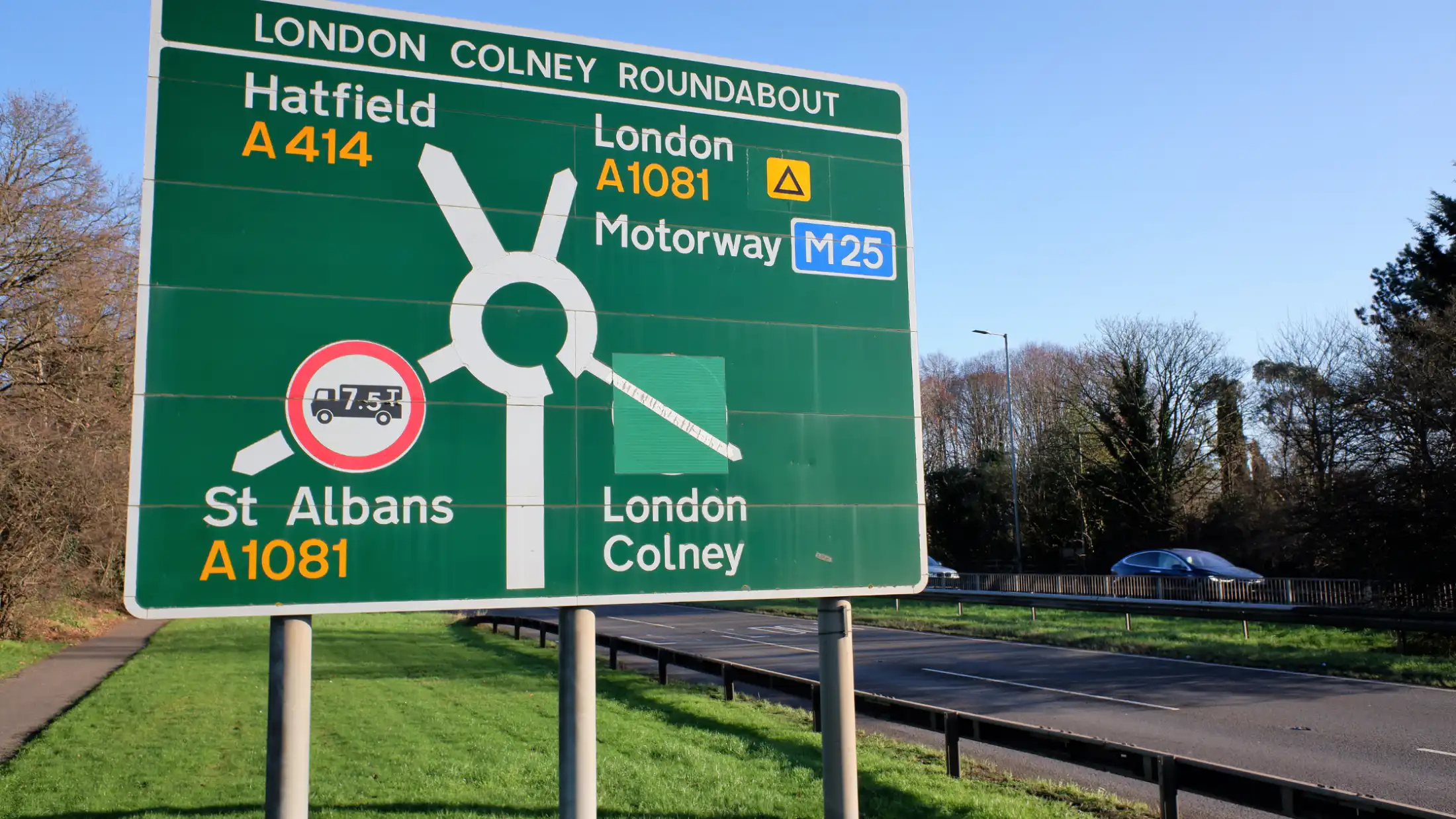
Information signs are generally rectangular or square and provide helpful guidance about routes, directions, and services. They may include information for motorways, primary routes, parking areas, hospitals, and diversion routes. While they do not usually require immediate action, they are important for planning ahead, selecting the correct lane, and following the appropriate route. Recognising these signs early helps drivers navigate unfamiliar areas more confidently and make smoother, more informed driving decisions.
Common Mistakes Learner Drivers Make with Road Signs
It is normal for learner drivers to find road signs challenging at first, but becoming aware of common mistakes can help you improve quicker, during lessons and build stronger driving habits. One of the most frequent issues is failing to spot signs early enough, often because learners focus too closely on the vehicle directly in front of them rather than scanning farther up the road. Another common mistake is misinterpreting signs, particularly when they appear quickly in busy or unfamiliar driving environments.
Some learners also react too late when responding to road signs, especially when they need to adjust speed or change lanes. This can lead to sudden braking, hesitation, or uncertainty, which may affect safety and confidence. With regular practice, clear instruction, and varied driving experience, these mistakes usually reduce quickly as awareness and decision-making improve.
Tips to Improve Awareness and Response Times to Road Signs
Developing a strong awareness of road signs is an essential skill for all learner drivers and plays a key role in safe, confident driving. Learning how to observe effectively, respond appropriately, and gain experience in different driving environments, can significantly improve your understanding of road signs during lessons and on test day.
Keep Scanning the Road Ahead
One of the most effective ways to improve awareness of road signs is to maintain a constant scanning routine while driving. Instead of focusing only on the vehicle directly in front, look farther ahead and to the sides. This helps to identify signs earlier, giving you more time to react safely. Early spotting reduces the need for sudden decisions and allows smoother, more controlled driving responses.
Link Signs to Your Driving Actions
A helpful technique is to actively connect each road sign with the action you need to take. For example, when you see a warning sign, think immediately about adjusting your speed or positioning. This builds quicker decision-making and reinforces correct responses over time. By linking signs to practical actions, you develop stronger awareness and improve your ability to drive safely and confidently.
Practise in Different Driving Environments
Exposure to a range of road conditions is also key to improving your understanding of road signs. Driving in residential areas, busy main roads, and rural routes will introduce you to different signage and situations. This variety helps build confidence and adaptability. When combined with feedback from your instructor, regular practice helps you become more accurate at spotting and responding to signs.
Driving Lessons in Croydon with Wimbledon Driving School
At Wimbledon Driving School, we offer driving lessons in Croydon designed to help learners build a strong awareness of road signs and develop safe driving habits. Our experienced instructors provide clear guidance on recognising, interpreting, and responding to all types of road signs in real driving situations throughout Croydon. We offer a range of lesson options, including standard driving lessons, refresher courses, intensive driving programmes, and Pass Plus. Whether you are a complete beginner or looking to improve your confidence, our lessons are tailored to individual learning needs. If you are ready to start learning in Croydon, book lessons online today or get in touch for more information.