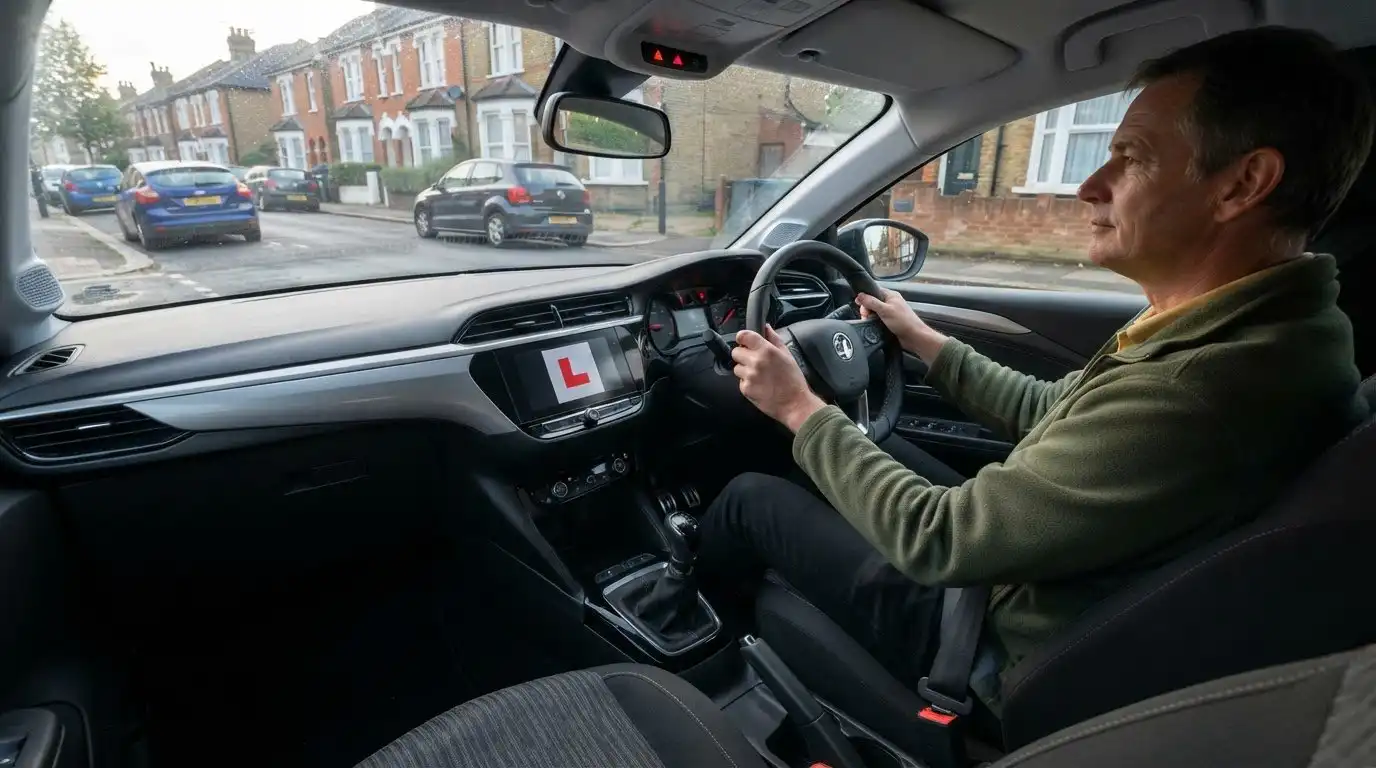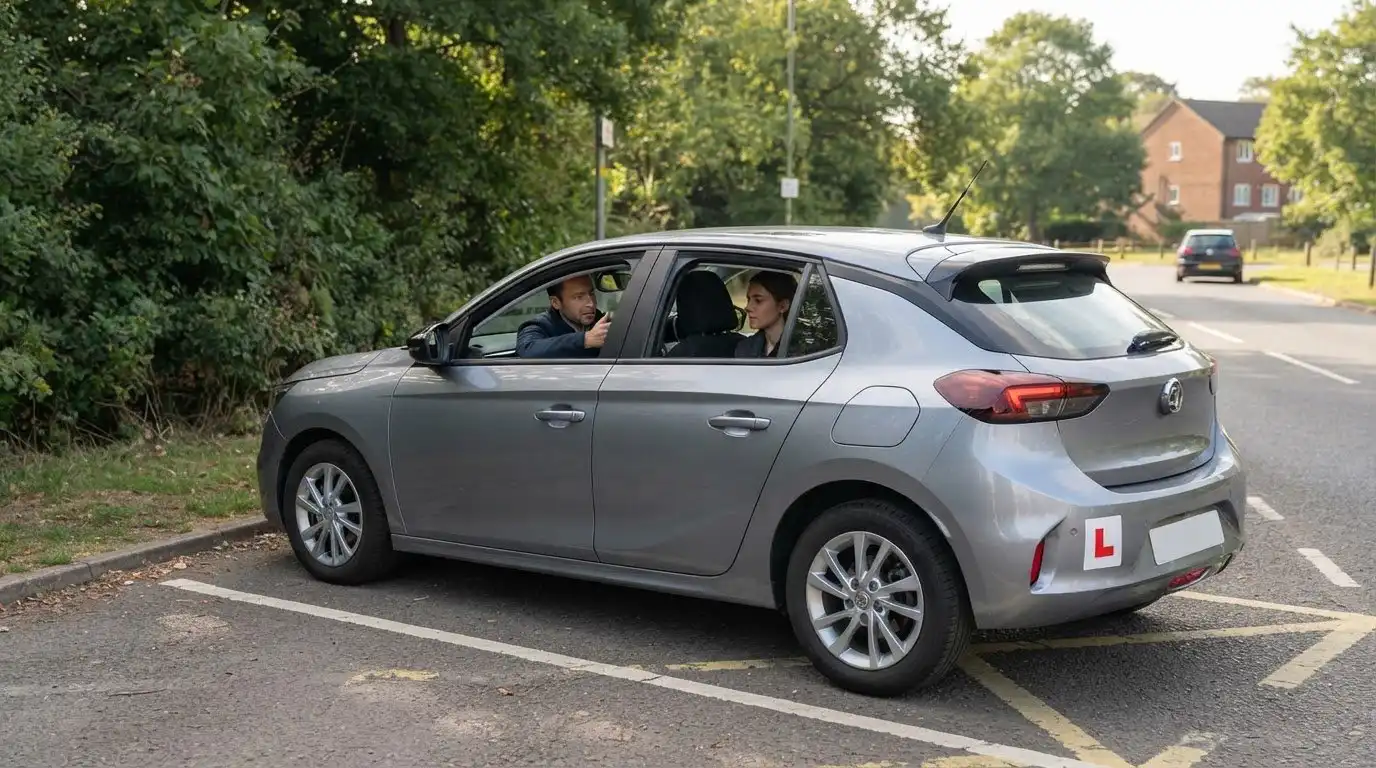
Independence on the road begins with the right provisional licence application. Getting a driving licence for independence means first meeting the eligibility rules and providing the evidence DVLA needs to process your application.
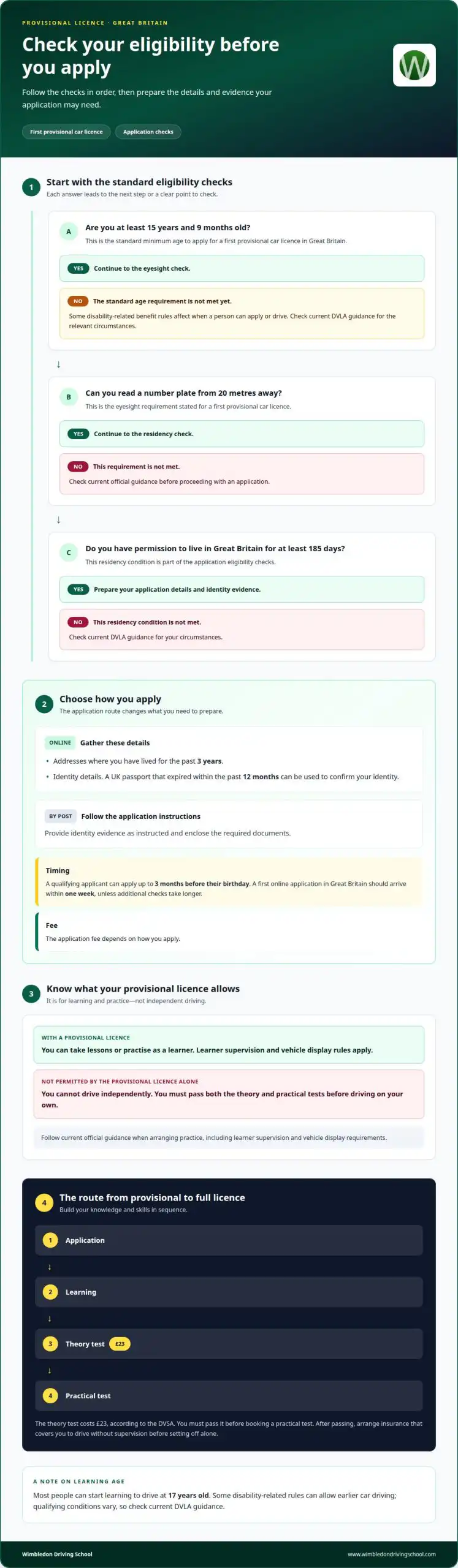
In Great Britain, you must be at least 15 years and 9 months old to apply for your first provisional licence. You must be able to read a number plate from 20 metres away and have permission to live in Great Britain for at least 185 days. For an online application, you’ll need to provide the addresses where you’ve lived for the past three years; a UK passport that expired within the last 12 months can be used to confirm your identity.
Once you have your provisional licence, safe, structured practice can help you build the skills and confidence to travel more independently. This article explains what evidence your application needs and how thoughtful practice can prepare you for safer journeys.
Key Takeaways
- Know what identity evidence and address history you may need before applying for a provisional licence.
- Understand when most people in Great Britain can begin learning to drive and what the provisional licence enables.
- Explore how access to a car can support everyday independence, from work journeys to visiting friends and family.
- Build confidence gradually by practising manoeuvres and adapting your driving to different weather and road conditions.
- Find out how structured lessons can help you develop safer habits as you work towards independent driving.
Evidence required for a provisional licence application
For a first provisional car licence in Great Britain, you must be at least 15 years and 9 months old. You also need to meet the eyesight and residency requirements: read a number plate from 20 metres away and have permission to live in Great Britain for at least 185 days. Most people can start learning to drive at 17 years old, according to the Driver and Vehicle Licensing Agency (DVLA).
For an online application, prepare identity details and the addresses where you have lived for the past three years. A UK passport that expired within the last 12 months can be used to confirm your identity. If you apply by post, follow the application’s instructions for providing identity evidence and enclose the required documents.
The application fee depends on how you apply. A qualifying applicant can apply up to 3 months before their birthday. A first online application in Great Britain should arrive within one week, unless additional checks take longer.
Some applicants can drive a car before their 17th birthday under disability-related rules. A person receiving higher-rate DLA or Child Disability Payment mobility can normally apply from 15 years and 9 months. In England and Wales, qualifying early car driving at 16 relates to enhanced-rate PIP mobility or qualifying higher-rate DLA while applying for PIP. For a first application at 16 on qualifying benefit grounds, include a Certificate of Entitlement as evidence.
A provisional licence lets you take lessons or practise as a learner, but it does not allow you to drive independently. You must pass both the theory and practical tests before driving on your own, and you need insurance that covers you after passing. Learner supervision and vehicle display rules also apply, so follow current official guidance when arranging practice.
The route to a full licence is application, learning, theory test, then practical test. Prepare for the theory test by studying road signs, rules and hazard perception. The UK theory test costs £23, according to the Driver and Vehicle Standards Agency (DVSA). You must pass it before booking a practical test.
After passing, arrange insurance that covers you to drive without supervision before setting off alone. Drivers who want to continue driving after turning 70 must renew their licence every 3 years, according to the Driver and Vehicle Licensing Agency (DVLA). A guide to life after passing can help you understand what changes when you move from learner to full-licence driver.
Driving and independence
A driving licence can widen your choices for work, education, caring responsibilities and social plans. A journey that depends on infrequent public transport may be harder to fit around a shift, course or family commitment. For some learners, getting a driving licence for independence means being able to organise these everyday trips around their own schedule.
Access to driving can affect employment options. Confused.com reported that 22 per cent of surveyed people said not being able to drive limits their work opportunities. That matters when a job starts early, finishes late or requires travel between sites. Driving may make those journeys more manageable, although it doesn’t guarantee employment or remove every transport barrier.
Independence can also mean having more control over everyday tasks. You might take groceries home without carrying bags on a bus, visit relatives beyond your usual route or get to an appointment with less coordination. A car can support everyday routines, not just long journeys or special occasions.
Learning takes time and sustained practice. The average learner driver has taken more than 18.5 hours of driving lessons by the time they sit their test. The number of lessons you need depends on your experience and progress; lesson costs depend on the lesson arrangements you choose.
Use each lesson to build skills you will need after passing. Practise observing at junctions, positioning safely, choosing an appropriate speed and responding to other road users. Set a clear goal, such as handling a busy roundabout or parking near home, so each session builds useful experience for independent journeys.
Cost can influence when someone starts learning. In a Prima poll, 70 per cent of British adults without a full driving licence said learning to drive was currently unaffordable. Planning lessons around your schedule and learning priorities can help you make considered choices, rather than treating driving as an all-or-nothing decision.
Independence does not mean driving everywhere. You could use public transport for a city-centre trip, walk to a nearby errand and drive when carrying equipment or travelling at an awkward time. Matching your transport to the journey keeps driving purposeful and lets you build confidence gradually.
Getting a driving licence for independence is a process, not just a test result. Before a new journey, plan the route and parking, and consider what you will do if conditions change. Start with familiar routes, then extend your plans as your experience grows.
If you’re ready to develop practical skills for greater independence, book driving lessons that fit your learning goals.
Driving as a source of independence and freedom
A full driving licence can give you more choice about when and where you travel. You might leave for an early appointment without planning around a bus timetable, or visit family whose home is harder to reach by public transport. Driving can help you organise personal plans around your needs.
Freedom also means choosing a journey that suits what you need to carry. You can plan around sports equipment, shopping or work materials. A parent visiting relatives with a child, for example, may value keeping essentials together and choosing suitable places to pause. A car gives you options, but careful preparation still matters.
Once you start driving independently, begin with destinations you know. A familiar trip to a local shop in Wimbledon lets you focus on traffic, road positioning and safe decisions. Then extend your plans gradually, perhaps by visiting a new supermarket or a friend in another part of South West London.
Longer journeys can become goals as your experience grows. You might plan a drive from Wimbledon to a destination in Surrey, breaking the route into manageable sections. Before setting off, consider road types, likely traffic and places to stop. Building confidence on shorter, familiar roads helps prepare you for a wider range of trips.
Driving can make it easier to fit travel around work, study and social commitments. You may be able to choose between a direct route and one that avoids a busy town centre. Your options still depend on road conditions, parking and available time, so plan around those factors to keep independent travel practical.
Personal independence does not mean using a car for every journey. You could walk to a nearby appointment, take public transport to a busy city-centre visit, then drive when carrying bulky items or travelling somewhere less familiar. Choosing transport to suit each trip makes driving a useful option rather than an automatic habit.
There is a learning journey between wanting more freedom and handling varied routes confidently. Lessons can help you practise observation, positioning and decision-making in real traffic. A guide to getting started with driving lessons can show how structured practice fits into that journey.
Before setting off somewhere new, plan your destination, route and parking. If a journey feels demanding, break it into manageable stages or choose a familiar alternative. Preparation lets your confidence grow through experience, and each well-planned trip can help you make informed choices about where to go next.
Enjoying independence while driving safely
Independent driving brings new choices, but safe habits make them sustainable. Start with familiar routes, such as a trip to a local shop or regular appointment. Once those journeys feel manageable, gradually drive farther afield. This builds experience with new junctions, traffic patterns and parking situations without tackling everything at once.
Plan unfamiliar journeys before leaving. Set your destination and navigation, consider where you will park, and allow enough time for the route. If you need to make a call or adjust the navigation system, pull over safely first. That pause keeps your attention on driving while the vehicle is moving.
Motorways can feel demanding for a new driver. First build experience on familiar roads, then practise motorway driving during quieter, off-peak periods. On UK motorways, drivers should normally use the left-hand lane and move to another lane when necessary to overtake. Learn how to join, maintain a safe gap and leave the motorway safely.
Keep the car in suitable condition before setting off. Check the tyres, oil and coolant regularly, and follow the vehicle’s servicing schedule. These checks can help you spot issues that may affect a journey. If a dashboard warning appears or the car behaves differently, stop somewhere safe and assess the situation.
Different journeys call for different preparation. A short trip across town may involve traffic lights, cyclists and parking, while a rural drive can bring narrow roads and changing conditions. Optional Pass Plus training covers areas including motorway driving, night driving and rural roads. It can help new drivers develop experience beyond familiar daytime routes.
Night driving calls for careful attention to visibility and speed. Allow time to adjust to reduced visibility, watch for pedestrians and cyclists, and avoid rushing on unfamiliar roads. If glare or tiredness makes it harder to concentrate, stop somewhere safe rather than pressing on. A planned break can make a long journey more manageable.
Weather can change how a familiar route feels. Rain may reduce visibility and make the road slippery, so leave more space and avoid harsh acceleration or braking. In poor conditions, choose a simpler route or delay a non-essential trip. Match the journey to your experience and the conditions instead of trying to prove your confidence.
Safe independence grows through deliberate practice. Use each journey to focus on a skill, such as checking mirrors before changing position or maintaining a steady speed. For focused preparation, learn about driving on dual carriageways before adding that type of road to your plans.
Keep choosing routes that feel manageable, then extend them as your confidence grows. Planning ahead for unfamiliar or long-distance journeys can reduce stress and help you feel prepared. If you need to make a call or adjust navigation, pull over safely before doing so.
Practising manoeuvres and driving in different weather
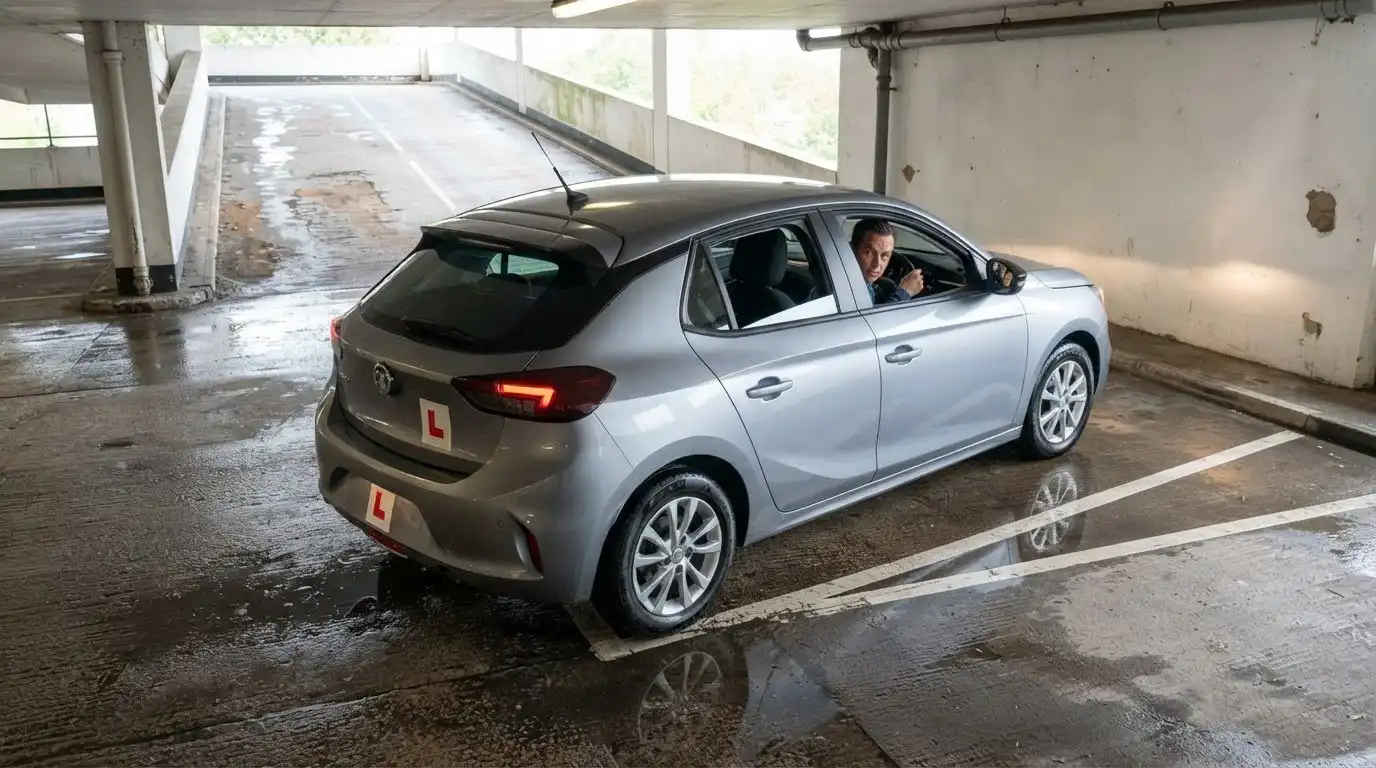
Manoeuvres help you control the car precisely at low speeds, while practice in different weather prepares you for changing road conditions. Work on reversing into a bay, parallel parking and pulling up safely. Each exercise brings together observation, steering, speed control and awareness of other road users.
For a bay park, approach slowly and check around the car before reversing. Use reference points consistently, but keep looking around instead of relying on a memorised steering pattern. If the car ends up crooked, pause, reassess the space and correct safely. Repeating the manoeuvre helps you understand what changed.
Parallel parking requires you to judge the space behind another vehicle and control the car carefully. Practise choosing a suitable space, checking mirrors and blind spots, then reversing at a pace that lets you stop. When pulling up on the right, choose a safe place and look carefully before moving back into traffic.
Rain can reduce visibility and make the road slippery. Leave more room ahead, use smooth controls and avoid sudden braking or acceleration. Clear the windows before setting off so you can see properly. If heavy rain makes it difficult to judge the road, choose a safer time or route.
Strong winds can affect the car’s movement, especially in exposed places such as bridges or open roads. Keep a steady grip on the steering wheel and give other road users space. In fog, choose a familiar route and keep your speed appropriate to what you can see. Do not rely on following another vehicle closely.
Prepare before driving in cold weather. Clear frost from the windows and mirrors, then make sure your view is unobstructed. On icy roads, steer and brake gently. If conditions make a journey unsafe for your experience, delay it. Practice in varied conditions should build judgement, not pressure you to drive in every situation.
Choose one focus for each practice session. Work on reversing into a bay one day, then practise smooth braking on a wet road with appropriate supervision another time. After each drive, note what felt controlled and what needs more attention. This turns your learning into specific goals for the next session.
Manoeuvres and observation also matter during the practical test. Understanding what driving test examiners look for can help you connect careful checks with safe control, rather than treating a manoeuvre as a memorised sequence.
To practise with structured guidance, book a driving lesson
In Great Britain, you need a provisional driving licence to take lessons or practise. Make sure you have one before arranging either, and discuss your readiness with your instructor. This helps you plan practice alongside the manoeuvres and weather sessions covered above.
New drivers can begin motorway practice on quieter roads or during off-peak times. A less busy setting can give you more room to concentrate and build familiarity gradually. Ask your instructor to help choose a suitable time and route, and focus on calm, consistent decisions rather than trying to cover too much at once.
Wimbledon Driving School
Wimbledon Driving School can support you as you build skills for safer, more independent journeys, with lessons across South West London, South East London, Surrey and Middlesex. Choose manual or automatic lessons to develop core skills, or consider an intensive course if concentrated learning suits your schedule. After passing, Pass Plus can help you gain experience in different driving conditions.
Lessons can be tailored to your stage, whether you are just starting, strengthening specific skills or preparing for varied journeys. Instructors with RoSPA Gold and IAM qualifications bring additional road-safety expertise to your learning.
Contact Wimbledon Driving School to discuss your next step.
Take your next step towards independent driving
Turn your goal into a practical learning plan. Think about the journeys you want to make independently, then build the skills they require. A regular commute may call for confident lane positioning and practice at busy junctions; visiting family could mean preparing for unfamiliar roads. Getting a driving licence for independence is a milestone, and steady, focused learning helps you develop sound judgement for the journeys ahead.
Choose an approach that suits your starting point and routine. Manual Driving Lessons and Automatic Driving Lessons build core driving skills, while Intensive Driving Courses offer a more concentrated learning format. Your progress depends on your experience, practice and confidence, so focus on becoming a safe, capable driver rather than rushing towards a test date.
As your skills develop, set new goals: handle a new route, improve a manoeuvre or prepare for a journey in different conditions. Each step can make independent travel feel more manageable.
Frequently Asked Questions
How do I apply for a provisional driving licence, and what documents do I need?
Apply online or by post, and provide evidence to confirm your identity as required for your application. For an online application, you’ll need the addresses where you’ve lived for the past three years; a UK passport that expired within the last 12 months can confirm your identity. If applying at 16 on qualifying benefit grounds, include a Certificate of Entitlement. Follow the application instructions for submitting supporting documents.
How many driving lessons do learners typically need, and what do lessons cost in the UK?
The average learner has taken more than 18.5 hours of lessons by the time they sit their test.
How do I book the practical driving test, and what are the current fees and waiting times?
You must pass the theory test before booking your practical test.
What happens if I fail the theory or practical driving test?
You must pass the theory test before booking a practical test, and pass both tests before driving independently.
Disclaimer
This article is provided for general informational purposes only and does not constitute professional driving, legal, or safety advice. While we aim to keep our content accurate and up to date, rules, prices, and DVSA test requirements can change — always check gov.uk or contact us directly at 020 3524 7968 for the latest guidance before making any decisions. Nothing in this article guarantees a specific outcome, including passing your driving test within any stated timeframe. For current pricing, course availability, and instructor details, please visit our Prices page or get in touch.