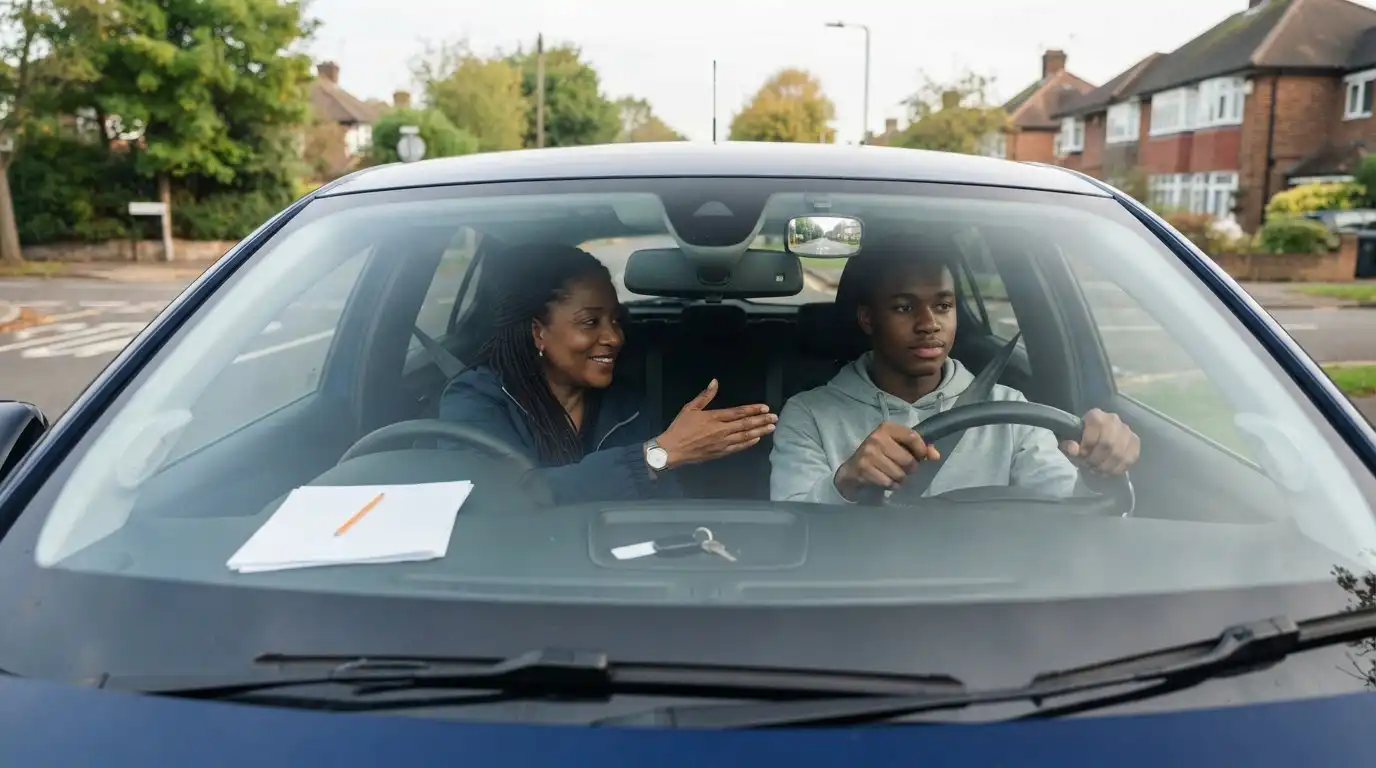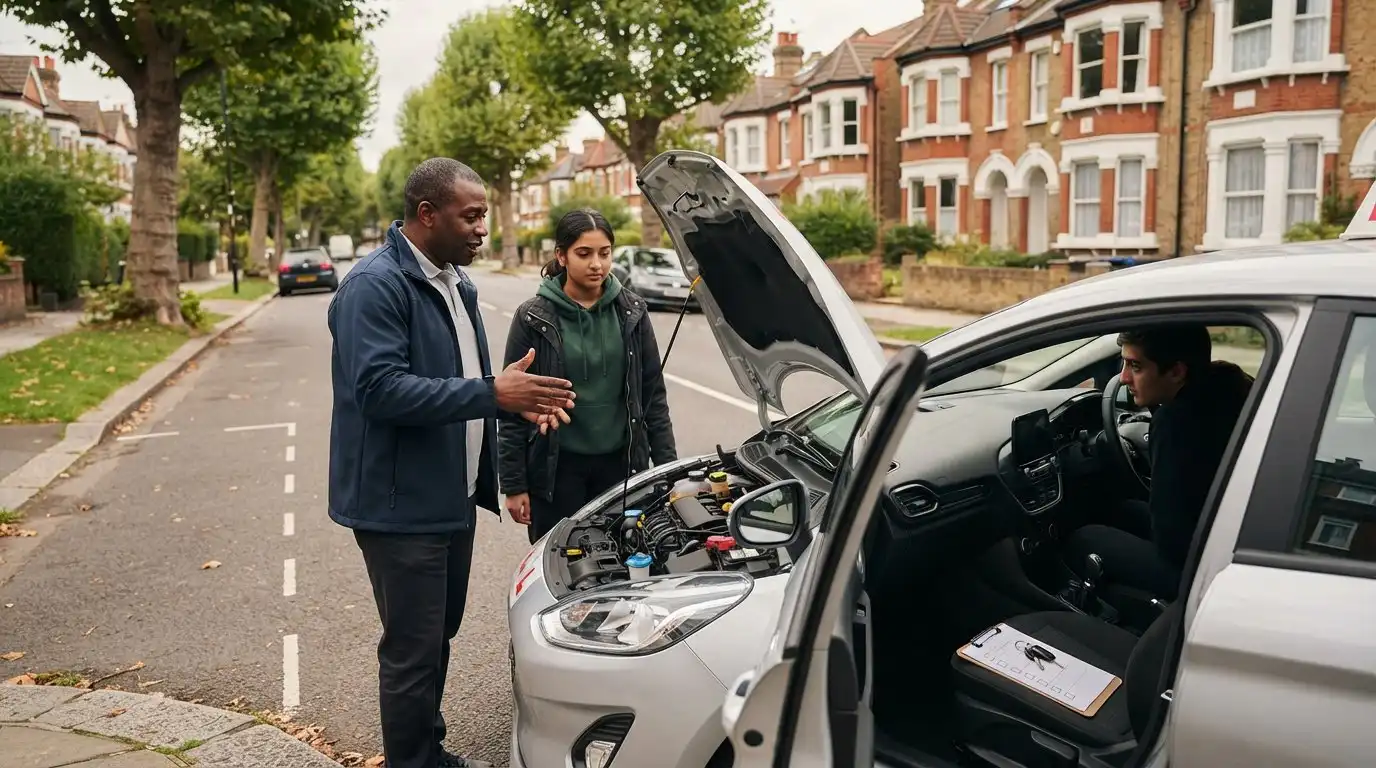
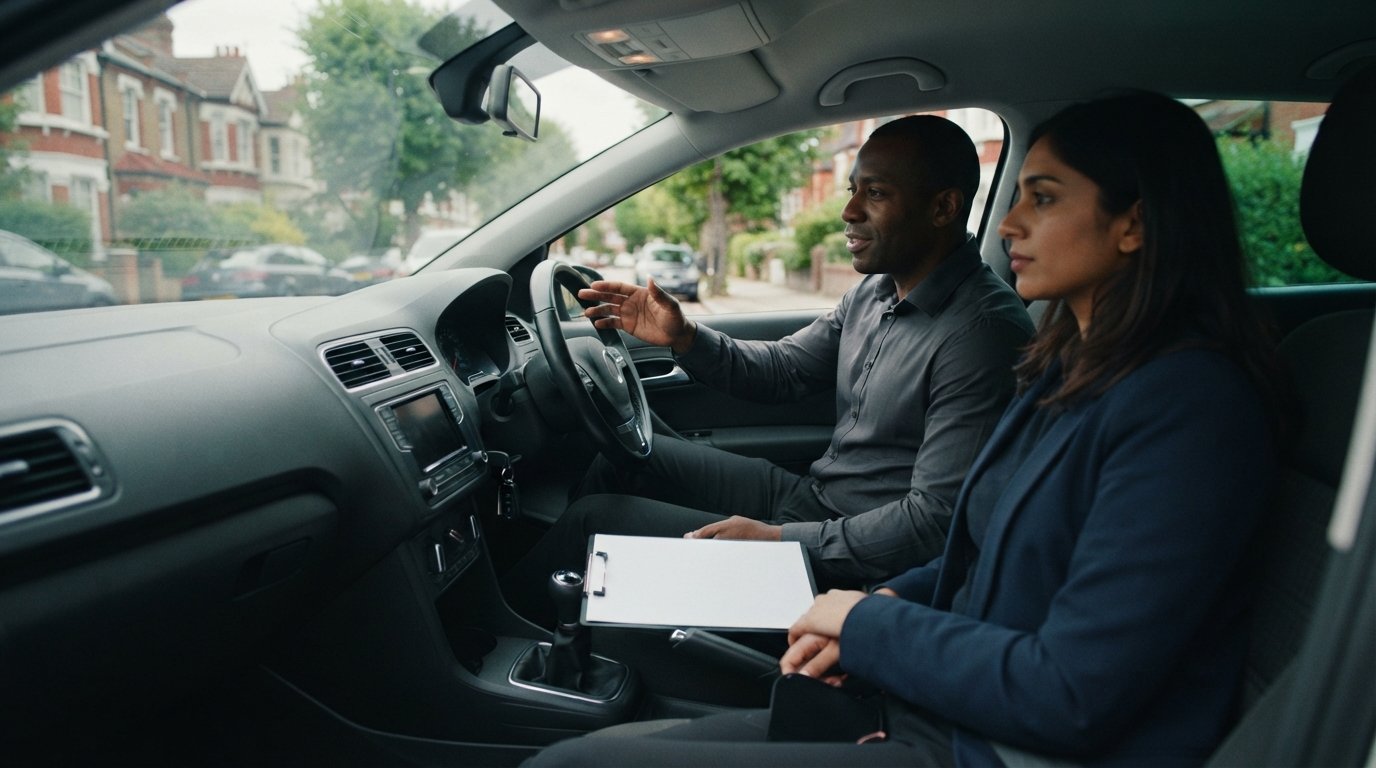
Official DVSA data reveals that over 65% of test attempts end in a fail, making Part 3 the single toughest hurdle on the journey to qualifying. If you have already received an unsuccessful result or your trainee licence is running out, you know the intense pressure of the three-attempt limit. Facing the prospect of restarting the entire two-year qualification cycle from scratch is daunting. Fixing those instructional faults requires specialist adi part 3 rescue training middlesex instructors trust, replacing robotic, memorised scripts with responsive, client-centred teaching.
Too many national franchises rely on rigid lesson plans that collapse the moment a pupil behaves unpredictably on busy urban roads. You deserve coaching that diagnoses precisely why things went wrong, especially around critical risk management thresholds. In this guide, you will discover how targeted rescue sessions pinpoint previous test faults, help you master the 17 core competencies on the DVSA marking sheet, and restore your instructional control. We examine how to adapt your lessons for local Middlesex test centres like Uxbridge and Ashford, giving you the clarity and technique required to secure your green badge.
Key Takeaways
- Understand the strict DVSA three-attempt regulation and discover how specialist adi part 3 rescue training middlesex prevents candidates from having to restart the full two-year cycle.
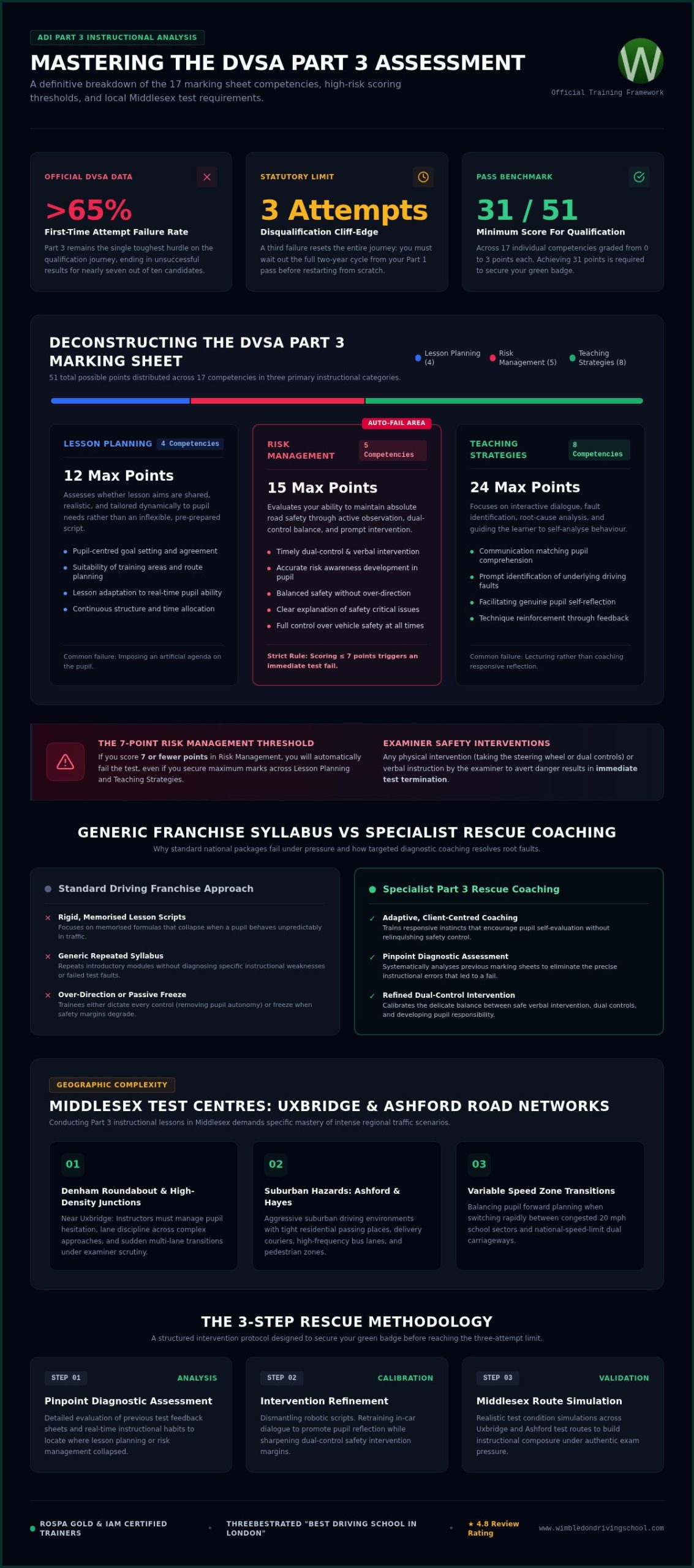
- Unpack the 17 competencies across lesson planning, risk management, and teaching strategies, including the critical 7-point risk threshold that triggers an automatic fail.
- Learn why generic national franchise packages often fail trainees and how individual, diagnostic coaching uncovers subtle instructional faults.
- Explore our structured three-step intervention methodology that rebuilds confidence, refines dual-control interventions, and eliminates robotic teaching scripts.
- Discover how bespoke in-car coaching from RoSPA Gold and IAM qualified trainers helps you master complex Middlesex test routes around Uxbridge and Ashford.
ADI Part 3 Rescue Training: Why It Is Vital in Middlesex
Failing an instructional test carries a heavy emotional weight. Many trainees leave their assessment feeling demoralised, uncertain where their lesson plan unravelled or why their risk management fell short. Dedicated adi part 3 rescue training middlesex provides targeted, diagnostic coaching designed specifically for struggling potential driving instructors (PDIs). Rather than repeating generic syllabuses, rescue coaching pinpoints the exact instructional faults that led to a fail, transforming theoretical knowledge into adaptable, real-world teaching.
National franchise packages frequently rely on rigid, scripted lessons that work in quiet residential streets but crumble during genuine traffic challenges. When an unscripted hazard emerges, trainees often struggle to intervene without stripping away the pupil’s independence. Specialist rescue tuition bridges this gap by retraining your instructional instincts, ensuring you satisfy the practical assessment criteria established for the Approved Driving Instructor qualification under DVSA standards.
The Reality of the DVSA Three-Attempt Limit
The stakes on Part 3 are uniquely high. Under strict DVSA regulations, candidates are permitted a maximum of three attempts to pass. If you fail your third attempt, you are disqualified from the qualifying cycle and must wait until the two-year anniversary of passing your Part 1 theory test before starting over from scratch. That means paying fees again, retaking Part 1 and Part 2, and enduring months of career delay.
Heading into a second or third attempt with the same uncorrected habits creates unnecessary risk. Securing an independent, specialist assessment diagnoses underlying faults before you rebook, protecting your career investment and restoring your teaching composure.
Navigating Middlesex Road Networks During Instructional Tests
Conducting an instructional test in Middlesex presents distinct operational challenges. Test centres such as Uxbridge and Ashford demand heightened hazard awareness and dynamic risk control. Instructors must manage:
- High-density multi-lane roundabouts: Managing lane discipline and pupil hesitation on complex approaches like the Denham Roundabout near Uxbridge.
- Aggressive suburban traffic: Dealing with bus lanes, delivery couriers, and tight residential passing places across Ashford and Hayes.
- Variable speed transitions: Balancing pupil planning between congested 20 mph school zones and free-flowing dual carriageways.
Practising on realistic Middlesex test routes ensures you can identify emerging hazards early. Tailored rescue training teaches you how to balance dual-control safety with client-centred coaching across these challenging road networks.
Deconstructing the DVSA Part 3 Marking Sheet: Where Trainees Lose Marks
The DVSA Part 3 assessment evaluates your real-world ability to facilitate learning while keeping the car safe. Rather than grading your driving, the examiner observes how well your pupil acquires understanding, skills, and risk awareness. Meeting the official DVSA ADI Part 3 test requirements demands earning at least 31 out of 51 possible points across 17 distinct competencies. These competencies span three primary categories:
- Lesson Planning: 4 competencies covering goal setting, route suitability, and lesson adaptability.
- Risk Management: 5 competencies evaluating dual-control intervention, verbal guidance, and hazard awareness.
- Teaching and Learning Strategies: 8 competencies addressing communication style, fault identification, and pupil reflection.
Scoring 7 or fewer points in Risk Management results in an immediate fail, regardless of your overall total. Any safety intervention by the examiner terminates the assessment on the spot. Targeted adi part 3 rescue training middlesex candidates undertake dismantles these failure points systematically.
Lesson Planning and Establishing Clear Goals
Lesson goals must always belong to the pupil. Many trainees fail because they impose an artificial agenda instead of diagnosing what the driver actually needs. A rigid plan prevents you from adjusting the route when the pupil struggles with a roundabout or dual carriageway merge. Collaborative goal setting creates an adaptable environment where learning flourishes.
Dynamic Risk Management: The Number One Failure Point
Poor risk handling causes over two-thirds of Part 3 failures. Trainees often veer between two extremes: shouting early instructions that strip away pupil initiative, or hesitating so long that the car enters genuine danger. Effective instructors share risk responsibility clearly. You must allow your pupil to make developmental driving errors while staying vigilant. Sharpening your own risk detection, much like improving observation during manoeuvres, ensures your verbal and physical interventions remain timely, calm, and proportionate.
Teaching and Learning Strategies: Moving Away from Rote Scripts
Rote scripts undermine your credibility. Examiners immediately spot when an instructor recites generic phrases rather than responding to the person in the driver’s seat. Replacing rehearsed monologues with effective Question and Answer techniques encourages pupils to analyse their own behaviour. High marks go to trainees who tailor their delivery to individual learning styles on the fly. If you want an expert evaluation of your teaching habits before your next attempt, consider booking an assessment session with a dedicated trainer.
Standard Driving Franchise Packages vs Specialist Part 3 Rescue Coaching
Mass-market driving franchises operate on a business model built around volume recruitment. Trainees frequently receive pre-recorded video lectures, group webinars, and scripted checklists designed for mass onboarding rather than bespoke instructional refinement. When teaching actual learners in the passenger seat, those corporate scripts rarely survive real-world traffic. Enrolling in specialised adi part 3 rescue training middlesex shifts the focus from broad theory to intensive, one-to-one in-car coaching tailored exclusively to your behavioural teaching habits.
Personalised rescue tuition strips away artificial lesson templates. Instead of forcing you to follow a rigid script, an expert mentor observes how you naturally communicate, intervene, and adapt. This direct coaching aligns your practical delivery with the National Standard for Driver and Rider Training, turning client-centred principles into second nature rather than memorised theory.
Why Mass-Market PDI Programmes Fall Short
Many large franchise providers rely heavily on peer-to-peer buddy systems to deliver required training hours. Pairing two nervous trainees together often reinforces bad instructional habits rather than correcting them. Similarly, holding a six-month pink trainee licence without dedicated, regular mentor intervention leads trainees to focus on basic survival teaching rather than exam-standard client-centred learning.
When unexpected pupil driving faults occur, standard franchise handbooks offer little help. Trainees panic, speak over the learner, or resort to direct commands. This breakdown highlights the fundamental difference between generic syllabus coverage and targeted diagnostic intervention.
The Impact of Advanced Diagnostic Mentorship
The qualifications of your trainer dictate the quality of your feedback. Trainers holding prestigious RoSPA Gold and Institute of Advanced Motorists (IAM) credentials possess acute observation skills. They do not just spot obvious errors; they detect subtle teaching flaws that cost marks on your marking sheet, such as:
- Vocal inflection and delivery pace: How tone changes can inadvertently raise pupil anxiety before complex manoeuvres.
- Intervention thresholds: Knowing the precise second to offer verbal prompts without stealing the pupil’s decision-making opportunity.
- Body language cues: Eliminating unconscious physical tension, such as hovering hands over the steering wheel, which signals panic to the examiner.
Working alongside an advanced mentor builds genuine psychological resilience. You enter your assessment calm, adaptable, and equipped to manage any spontaneous pupil decision with absolute confidence.
The 3-Step Rescue Methodology: Rebuilding Your Instructional Technique
Rushing straight into repeat tests without fixing underlying instructional habits wastes valuable attempts. Systematic remediation requires a structured path that uncovers root causes before placing you back into high-pressure test simulations. Our three-step framework for adi part 3 rescue training middlesex replaces guesswork with targeted, progressive coaching, turning corrective advice into instinctual in-car habits.
Every phase focuses on building genuine pupil engagement rather than rehearsing artificial routines. By breaking down your delivery, refining communication, and testing your skills under realistic conditions, you develop the calm authority examiners look for.
Step 1: In-Car Diagnostic Assessment and Fault Auditing
The rescue process begins with an in-depth audit of your previous test report sheets. We analyse examiner comments alongside a live observation drive to pinpoint where your structure cracked. Your trainer categorises recurring issues into specific triggers:
- Planning misalignment: Selecting routes that fail to match the driver’s current skill level.
- Intervention timing: Stepping in too late or delivering rushed, reactive dual-control inputs.
- Communication breakdowns: Using confusing jargon or failing to listen to pupil feedback.
Step 2: Remedial Role-Play and Pupil Dynamic Coaching
Once specific faults are isolated, we use controlled role-reversal sessions to reshape your teaching habits. Your trainer simulates authentic learner profiles, from nervous beginners hesitating at roundabouts to overconfident drivers missing speed limit signs. You learn to deliver calm, concise coaching that encourages the driver to discover solutions themselves.
These exercises help you strike the balance between safety and autonomy. Trainees can also explore core instructional concepts within our learning centre to consolidate their understanding between practical sessions.
Step 3: Realistic Mock Part 3 Tests in Middlesex
The final phase tests your refined skills under authentic assessment conditions. We run complete, unassisted mock tests across complex road layouts in Ashford, Uxbridge, and surrounding South West London corridors. Your trainer scores your performance strictly against official standards, delivering honest, immediate feedback so you enter test day composed and fully prepared.
Securing Your Green Badge: Preparing for Success with Wimbledon Driving School
Securing your green badge requires moving past temporary fixes and mastering true instructional craft. Founded in 2006, Wimbledon Driving School provides specialised ADI training and targeted rescue coaching designed to help trainees regain control of their professional qualification journey. Our senior trainers hold prestigious RoSPA Gold and Institute of Advanced Motorists (IAM) advanced driving certifications, bringing a level of diagnostic precision that generic training providers simply cannot match.
Whether you hold a pink trainee licence or are preparing for your final attempt as an independent candidate, our coaching adapts entirely to your schedule. We understand the logistical pressures of managing pupils while completing remedial training. Our supportive ethos focuses on long-term instructional mastery, ensuring you develop authentic teaching confidence that satisfies DVSA examiners and builds a thriving career.
Tailored Training Across Middlesex and Surrounding Areas
Local road layouts play a decisive role during practical assessments. Our bespoke adi part 3 rescue training middlesex courses cover key arterial corridors across Middlesex, Surrey, and South West London boroughs. We ensure you gain practical mastery over complex environments such as:
- The multi-lane gyratories and high-speed approaches near Ashford and Staines-upon-Thames.
- The congested urban high streets and complex crossroads surrounding Uxbridge town centre.
- Variable speed transitions along major dual carriageways linking West London and Middlesex test routes.
Once you qualify, our established driving school franchise offers flexible career opportunities. Trainees transition seamlessly from qualified status to running busy, independent diaries backed by our multi-year award-winning reputation.
Taking the Decisive Step Towards Your Qualified Career
Leaving your final attempt to chance is an unnecessary gamble with your livelihood. When you only have one attempt remaining, continuing with the same teaching habits that produced a previous fail carries immense risk. Targeted rescue coaching restores your technical precision, refines your risk-management timing, and gives you complete command over the 17 core competencies.
Connecting with an advanced mentor provides the objective, constructive analysis you need to rebuild self-belief. By tackling your diagnosed weaknesses directly, you position yourself to enter the test centre calm, competent, and fully prepared to secure your green badge.
Transform Your Teaching and Claim Your Green Badge
A previous test setback doesn’t have to define your career as an instructor. Overcoming the three-attempt limit comes down to replacing rigid scripts with responsive risk management and pupil-led coaching. Investing in targeted adi part 3 rescue training middlesex gives you the diagnostic insight required to master all 17 DVSA competencies across demanding West London test routes.
Backed by over 18 years of local coaching expertise and multi-year industry recognition, Wimbledon Driving School delivers the structured mentorship you need. Our trainers hold elite RoSPA Gold and IAM advanced qualifications, providing the precise feedback loops necessary to turn instructional weaknesses into natural strengths. We help you rebuild self-belief, refine your intervention timing, and step into the passenger seat with complete composure.
Discover our ADI rescue training and start your journey
Take charge of your preparation, protect your qualifying cycle, and secure the coaching support needed to qualify as an Approved Driving Instructor.
Frequently Asked Questions
Can I take ADI Part 3 rescue training if I have already failed twice?
Yes, candidates preparing for their third and final attempt make up a substantial proportion of our rescue students. Facing your final attempt means standard syllabus repetition carries too much risk. Investing in bespoke adi part 3 rescue training middlesex allows an advanced trainer to audit your previous marking sheets, diagnose hidden instructional triggers, and refine your teaching habits so you can approach your final test with composure.
What is the passing score required for the DVSA ADI Part 3 test?
You must achieve a minimum score of 31 out of 51 points across the 17 competencies to pass. Scoring between 31 and 42 earns a Grade B pass, while 43 to 51 secures a Grade A. However, you must also score at least 8 out of 15 points in the risk management category; scoring 7 or below results in an automatic fail regardless of your overall total.
How many hours of rescue training will I need before my next test?
The required hours depend entirely on the severity of your diagnosed instructional faults. Following an initial two-hour diagnostic assessment, your trainer evaluates whether your weaknesses stem from lesson planning, intervention timing, or communication style. Most trainees benefit from six to twelve hours of focused in-car tuition to unlearn counterproductive routines, master client-centred techniques, and complete realistic mock assessments under test conditions.
What happens if I fail my third ADI Part 3 attempt?
Failing your third attempt disqualifies you from your current qualifying cycle immediately. Under DVSA regulations, you must wait until two full years have passed from the date you originally passed your Part 1 theory examination. Once that mandatory waiting window elapses, you have to restart the qualification process from the beginning, retaking Part 1, Part 2, and Part 3 while paying all test fees again.
Can I use my own learner pupil for the Part 3 rescue sessions?
Yes, bringing your actual learner pupils into rescue coaching sessions is often highly beneficial. It allows our senior trainers to observe your live passenger-seat dynamics, communication phrasing, and safety interventions in a realistic working environment. Alternatively, trainers can role-play challenging pupil behaviours, giving you targeted practice in handling unpredictable driving faults you might encounter around complex local test routes.
How does client-centred learning differ from traditional driving instruction?
Traditional instruction relies on rigid commands and memorised scripts, telling the driver exactly what to do and when. Client-centred learning, which is mandatory under the DVSA assessment framework, actively involves the learner in the decision-making process. As the instructor, you facilitate discussion, set collaborative goals, ask reflective questions, and adapt your lesson structure dynamically to match the pupil’s real-time progress and anxiety levels.
Is rescue training available across all areas of Middlesex and Surrey?
Yes, Wimbledon Driving School provides comprehensive coverage across Middlesex, Surrey, and South West London. Our trainers operate near all regional test centres, including Ashford, Uxbridge, and Isleworth. We tailor rescue coaching sessions to the specific multi-lane roundabouts, dual carriageways, and congested town centres found on local routes, ensuring you develop sharp hazard anticipation and calm instructional control in authentic testing territory.
Disclaimer
This article is provided for general informational purposes only and does not constitute professional driving, legal, or safety advice. While we aim to keep our content accurate and up to date, rules, prices, and DVSA test requirements can change — always check gov.uk or contact us directly at 020 3524 7968 for the latest guidance before making any decisions. Nothing in this article guarantees a specific outcome, including passing your driving test within any stated timeframe. For current pricing, course availability, and instructor details, please visit our Prices page or get in touch.